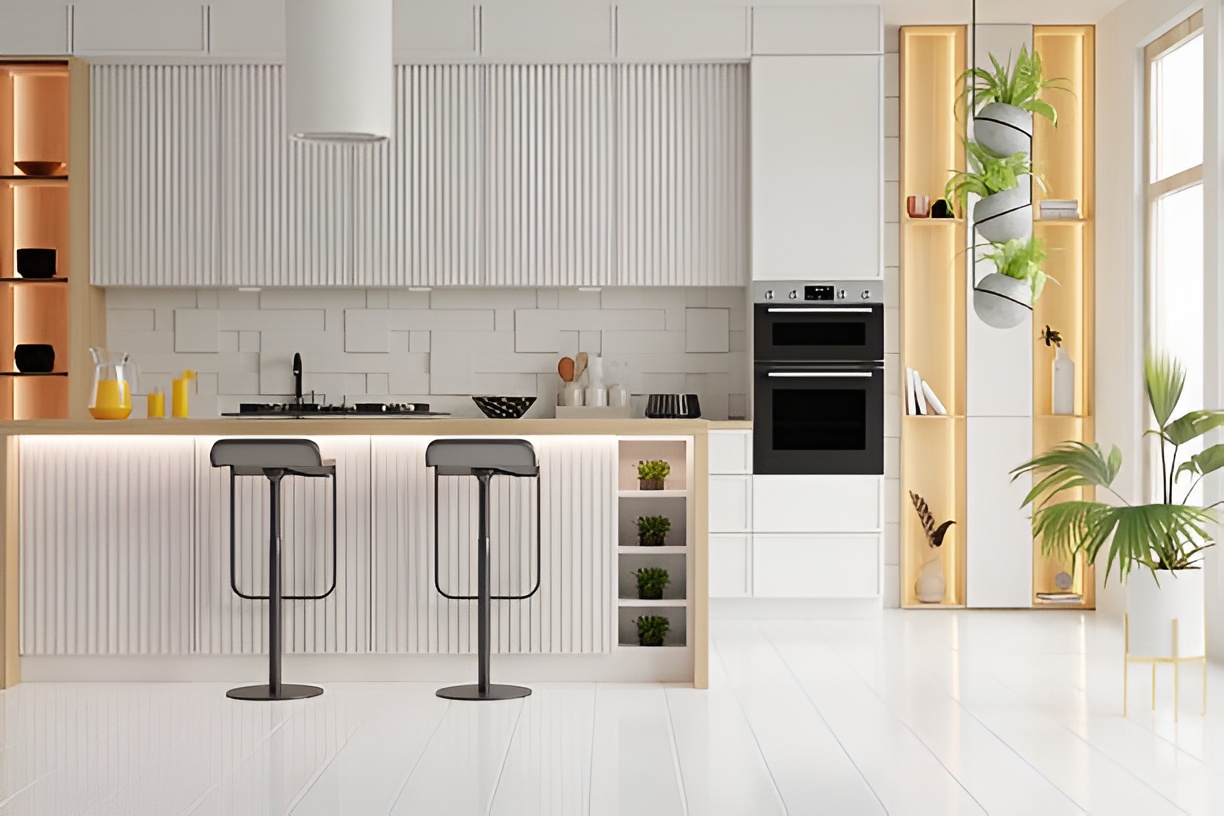









For decades, curb appeal followed a standard formula: neutral front doors, symmetrical boxwood shrubs, and red mulch. This resulted in functional but soulless suburban exteriors. Today, a shift is happening. Homes are no longer just protective shells for resale value. Design-conscious homeowners now treat outdoor spaces as extensions of their interior design—a canvas for personalization. Your exterior should evoke a sense of belonging. Colors, textures, materials, and lighting should tell a cohesive story of the occupants, their style, and comforts. Transforming a standard exterior into a personalized sanctuary goes beyond generic solutions, requiring an understanding of architectural cohesion.
Design an Elevated Transition Zone That Complements Your Interior Aesthetic
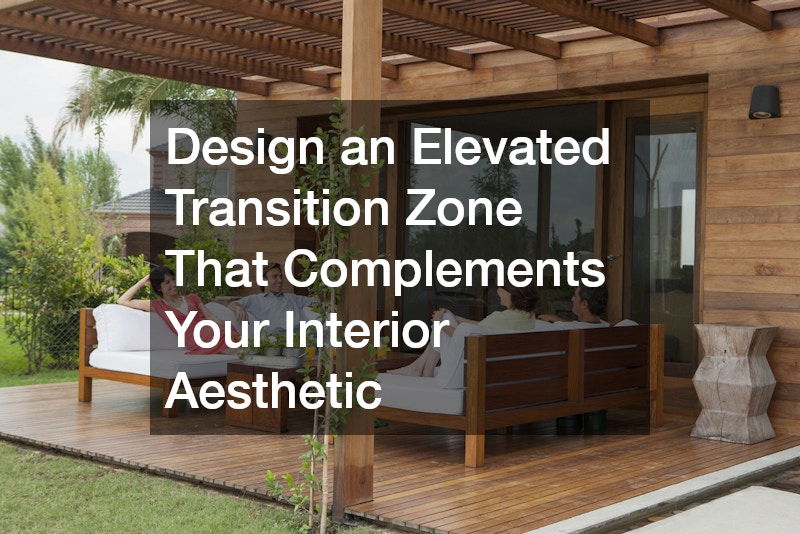
To make an outdoor living space feel integrated rather than tacked on, the materials and structural flow must complement your home’s architectural DNA. The transition should feel smooth, inviting, and highly functional.
- Align the Floor Levels: Whenever structural parameters allow, try to match the finished height of your indoor floor with your outdoor platform. This eliminates awkward steps and creates a visual illusion that your interior living room flows directly into the open air.
- Establish Distinct Functional Zones: Break up a large footprint into dedicated micro-spaces. Use built-in perimeter planters to frame a cozy conversation nook, drop the level down by two steps to create an intimate fire pit zone, or build a raised platform dedicated entirely to alfresco dining.
- Select Premium, Textural Materials: Move away from standard utility wood and explore materials that offer longevity and rich visual character. Deeply grained capped composites, exotic hardwoods like Ipe or Garapa, and hidden fastening systems eliminate ugly screw lines and deliver a flawless, high-end finish.
Bringing a complex, multi-level architectural platform to life requires precise engineering and a deep understanding of local building codes. Partnering with a skilled deck contractor allows you to move past basic catalog designs and create custom features like cantilevered benches, integrated storage solutions, and structural frameworks that seamlessly wrap around existing trees or landscape features.
Introduce Architectural Layers for Weather Protection and Visual Depth
A flat, uninterrupted back-of-house wall can make a property look uninspired and two-dimensional. By introducing overhead architectural structures, you break up the vertical mass of your siding while creating a protected microclimate that extends your outdoor usability across seasons.
- Incorporate Retractable or Fixed Overhead Coverings: Adding structured overhead protection gives a patio or deck a sense of enclosure and privacy. High-performance fabrics or louvers can shield your outdoor furniture from intense midday sun and unexpected rain showers.
- Incorporate Smart Motorization: Modern overhead solutions can be integrated directly into your home automation system. With rain, wind, and sun sensors, your structures can automatically adjust their position to protect your outdoor environment even when you are not home.
- Match Fabrics to Interior Textiles: Personalize your overhead structures by selecting fabric colors and patterns that mirror your interior accent pillows, drapery, or rugs. This simple visual echo reinforces the connection between inside and out.
Achieving a flawless look that defies the wind and complements your roofline requires specialized installation techniques. Relying on professional awning services guarantees that your overhead structures are anchored securely to your home’s framing, preventing water intrusion behind your siding and ensuring smooth, reliable operation for years to come.
Swap Plain Asphalt for Textured, Custom-Stamped Hardscaping
Your driveway and main entry paths occupy a massive percentage of your front yard’s visual real estate. Treating these high-traffic zones as key design features rather than mere utility paths instantly elevates your property’s architectural profile.
- Select Patterns That Echo Architectural Details: If your home features historic brickwork or a modern geometric layout, select a paving pattern that reinforces those shapes. Running bond, herringbone, and interlocking ashlar patterns can subtly guide the eye toward your front entryway.
- Play with Varied Color Blends: Move away from monochromatic tones by blending different shades of charcoal, slate, terra cotta, or tan. Multi-toned surfaces are much better at hiding tire marks and organic debris while providing a warm, weathered look.
- Create Custom Borders and Aprons: Frame your driveway or main walkway with a contrasting border material. A sleek granite Belgian block apron at the entrance of a driveway or a dark soldier course border along your paths adds an undeniable touch of custom luxury.
The longevity of any hardscape project depends entirely on the hidden work performed beneath the surface. Enlisting the expertise of established paving companies ensures that your base layers are excavated to the proper depth, compacted thoroughly, and pitched perfectly for rainwater drainage so your custom patterns remain level and beautiful through decades of freeze-and-thaw cycles.
Upgrade Patio and Garage Floors with High-Performance, Artful Finishes
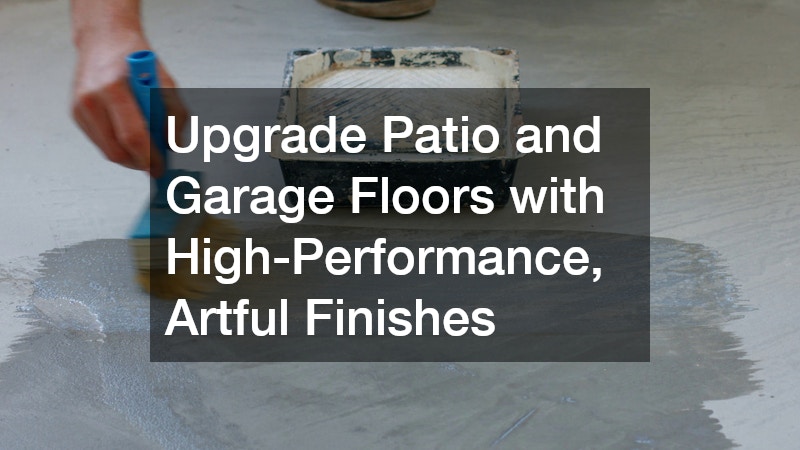
Personalization should not stop at the edge of your driveway. Your garage floor, covered utility breezeways, and concrete patios represent prime real estate for introducing sleek, durable finishes that are as beautiful as they are resilient.
- Mimic High-End Natural Stone: Plain concrete slabs can be completely transformed using advanced acid staining and stamping techniques. You can achieve the rich, irregular look of premium flagstone, slate, or travertine without dealing with the high maintenance and shifting associated with loose stone pavers.
- Introduce Vibrant, High-Gloss Elements: For an ultra-modern aesthetic, sleek ground surfaces can be treated to reflect light beautifully. This technique brightens up covered areas and creates a clean, sophisticated backdrop for minimalist outdoor furniture.
- Customize Multi-Colored Flake Systems: Create a bespoke floor coating by choosing a unique blend of color flakes. You can mix metallic chips, quartz particles, or custom color palettes that pick up the exact undertones of your home’s exterior paint trim.
Transforming a boring concrete slab into a visually stunning, durable surface requires chemical precision and proper surface profiling. Utilizing decorative concrete techniques allows you to revitalize old, stained surfaces with intricate patterns and deep color variations. For high-wear environments like garage workshops or mudroom entryways, applying a commercial-grade epoxy flooring system creates an impermeable, chemical-resistant shield that stops hot-tire pickup, prevents oil staining, and turns a forgotten utility space into a pristine showroom.
Treat Boundaries as an Architectural Frame, Not Just a Barrier
Perimeter boundaries should never look like an afterthought or a cheap attempt to block out the neighbors. When designed with intention, a perimeter wall or barrier acts as a beautiful picture frame that enhances everything contained within it.
- Experiment with Horizontal Profiles: Traditional vertical placements can sometimes feel institutional. Switching to a clean, horizontal orientation stretches the visual perception of your yard, making tight spaces feel significantly wider and more modern.
- Blend Mixed Materials: Break up long, monotonous expanses by alternating your primary materials. Interlocking wood warmth with dark, industrial metal posts, or inserting frosted glass panels at strategic intervals, lets natural light filter through while maintaining complete privacy.
- Incorporate Architectural Caps and Trims: Top off your vertical perimeters with substantial top rails or custom caps. This gives the entire structure a finished, built-in furniture look that matches the craftsmanship of your home’s interior moldings.
A long vertical structure acts like a massive sail in high winds, making precision engineering absolutely critical. Investing in a professional fence installation ensures that support posts are sunk to the proper depth in solid concrete bases, keeping the entire perimeter completely level, plumb, and structurally sound regardless of shifting soils or harsh weather.
Use Professional Horticulture to Sculpt Live Textures and Color Stories
Plants are the living, breathing artwork of your home’s exterior. A personalized botanical design moves away from basic foundation plantings and instead uses a curated palette of trees, shrubs, and perennials to create movement, depth, and evolving seasonal interest.
- Design Around an Authentic Theme: Let your personal style dictate your plant choices. If you love clean lines, choose structured ornamental grasses and sculptural boxwood spheres. If you prefer a romantic, informal look, lean into soft English cottage textures like lavender, delphiniums, and climbing roses.
- Layer Heights and Textures: Avoid planting in single, flat rows. Position tall canopy trees and architectural upright shrubs at the back, medium-height blooming perennials in the center, and low-growing, texturally rich groundcovers along the front edge to draw the eye forward.
- Plan for Continuous Seasonal Transitions: A truly customized yard never goes dark or empty in the winter. Balance your favorite summer blooms with deciduous shrubs that offer striking bark textures, ornamental berries, or vibrant evergreen foliage that keeps the property looking lively all year.
Mastering the complexities of soil composition, sun exposure zones, and regional climate variations requires a deep level of botanical expertise. Working alongside a knowledgeable landscaper contractor allows you to select native, thriving plant species that will grow harmoniously over time, preventing overcrowded root systems and ensuring your living investment pays off beautifully as the seasons pass.
Use Contrast and Accent Hues to Highlight Unique Architectural Features
Paint is the single most powerful tool for reshaping the visual proportions of a house. A thoughtfully executed exterior color palette can hide architectural flaws, highlight beautiful historical trim, and completely alter how large or small the home feels from the street.
- Master the Balanced Color Formula: Apply interior design color balance to your exterior by choosing a dominant body shade for the main siding, a secondary grounding color for the trim and garage doors, and a bold, punchy accent color reserved purely for the front door or window shutters.
- Embrace Deep, Moody Tones: If you want to make a bold statement, look past basic beige and off-white. Rich charcoal grey, deep navy blue, forest green, and matte black can make a home pop against green foliage, giving it an instantly sophisticated, custom-designed edge.
- Contrast the Front Entryway: Make your front door the undisputed focal point of your facade. Painting it a rich pumpkin orange, a high-gloss robin’s egg blue, or a deep plum welcomes guests with an immediate burst of your personal style.
Achieving a flawless, lasting paint finish on an exterior is incredibly difficult due to constant sun exposure, humidity, and temperature swings. Hiring an experienced painting contractor ensures that chalking, peeling, and bubbling are avoided through meticulous scraping, pressure washing, and priming, followed by the precise application of premium, UV-resistant coatings that hold their rich color for a generation.
Layer Low-Voltage Illumination for Dramatic Nighttime Character
A home exterior shouldn’t disappear when the sun goes down. A personalized lighting scheme moves far beyond a couple of bright floodlights, using subtle, layered illumination to sculpt the property into a dramatic, welcoming masterpiece after dark.
- Ditch Blinding Glare for Soft Up-Lighting: Avoid aiming harsh, exposed bulbs directly at your paths or seating areas. Instead, place hidden fixtures at the base of architectural columns or ornamental trees, casting a warm, soft glow upward to emphasize height and natural texture.
- Utilize Sophisticated Path Lighting: Guide guests safely to your front door using low-profile path fixtures that cast overlapping pools of light directly onto the walkway surfaces, keeping the bulbs shielded from direct eyesight.
- Introduce Smart Zoning and Scene Control: Set up your lighting system to adapt to your schedule. Program a bright, clear setting for weekday arrivals, a dim, romantic glow for weekend patio entertaining, and a streamlined security profile for late-night protection.
Handling electrical wiring in an outdoor environment requires strict adherence to safety standards to prevent moisture shorts and fire hazards. Collaborating with certified residential electricians guarantees that your low-voltage lines are buried safely, your exterior transformers are sized correctly to handle the voltage load, and your automated controls are integrated seamlessly into your overall home network.
Protect Your Design Investments with Automated and Routine Care

To keep your newly customized exterior looking like a pristine design showcase, your maintenance routine must evolve alongside your styling upgrades. Protecting your surfaces and keeping your surrounding elements in check ensures your personal style remains uncompromised.
- Establish a Consistent Surface Care Routine: Regularly wash down your custom stamped paths, composite platforms, and coated floors to prevent the buildup of mold, mildew, and organic stains that can dull your color palettes.
- Maintain Sharp, Clean Edges: Keep the boundary lines between your manicured hardscaping and your planting beds looking crisp and intentional by performing regular edging and debris clearing.
- Keep Living Frameworks Healthy: A beautiful home needs a healthy green frame to set off its colors and textures. Committing to a consistent program of lawn care keeps your turf thick, vibrant, and perfectly manicured, providing the ultimate clean canvas that allows your custom fencing, fresh paint, and architectural features to stand out as the true stars of your property.
Styling your home’s exterior with personalization transforms a generic property into a reflection of your lifestyle. Moving past standard curb appeal templates and focusing on curated elements, from architectural platforms and custom surfaces to artistic boundary framing, color theory, and ambient lighting, creates an outdoor environment that brings joy every time you return home. Success lies in treating your exterior with the same design respect, structural discipline, and material quality as your indoor spaces. Stop viewing your yard and facade as utility zones. See your property as a canvas, embrace your style preferences, and build a high-end exterior with quiet luxury and timeless character.