









House flipping is an intricate balance between strategic financial management and transformational design. Real estate investors often enter a property with grand visions of top-to-bottom overhauls, only to find their profit margins eaten away by unnecessary, over-customized updates. Successful flippers understand that the primary goal of a property transformation is not simply to make a house look beautiful, but to maximize the return on every single dollar spent. Every change must be evaluated through the lens of buyer appeal versus overall cost.
Protecting the Core Infrastructure

Inspecting and Repairing Structural Essentials
Before spending money on open-concept floor plans or high-end kitchen quartz, you must address the core systems of the building. Buyers and home inspectors immediately notice structural red flags, which can derail a sale or force deep price concessions late in the escrow process. Prioritizing essential structural integrity protects your timeline and preserves buyer confidence.
A dry, solid structure forms the bedrock of property value. Neglecting water intrusion issues in lower levels can destroy new framing, drywall, and finishings, leading to catastrophic financial loss. Securing professional basement waterproofing services guarantees that moisture problems are eliminated before cosmetic work begins. Water damage compromises structural elements and fosters mold growth, which quickly scares off prospective buyers.
-
Address plumbing leaks, roof drips, and basement moisture immediately to preserve internal framing.
-
Install proper drainage systems like French drains or sump pumps before applying cosmetic basement finishes.
Fortifying Lower Structural Elements
A property with settling or cracked load-bearing walls will fail inspections and deter traditional mortgage lenders from financing buyers. Rectifying structural movement is a non-negotiable step that should be handled early in the renovation timeline. Partnering with licensed foundation contractors ensures that the building envelope is secure, level, and fully compliant with local safety codes.
Addressing underlying structural concerns gives buyers peace of mind and prevents lowball offers during the inspection negotiation phase. Potential buyers appreciate knowing that the unseen components of the house are in pristine condition. Investing in these unseen structural guarantees builds undeniable credibility for your listing and protects your overall investment.
-
Obtain certified engineering reports for structural work to share directly with prospective buyers.
-
Level sagging subfloors before laying down rigid luxury vinyl planks or hardwood flooring.
Enhancing Outdoor Living Spaces
Designing Durable Backyard Extensions
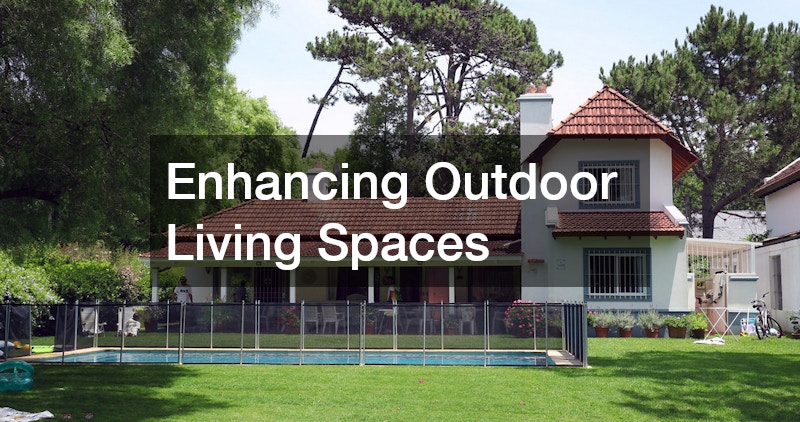
Modern homebuyers place an incredible premium on usable outdoor space. An inviting backyard effectively increases the usable square footage of a property, creating an emotional connection during open houses. Outdoor entertainment areas yield impressive returns because they offer high visual impact relative to their construction costs.
Creating an elevated outdoor platform provides an ideal space for outdoor dining and relaxation. Working alongside professional deck builders allows you to select durable, cost-effective composite or pressure-treated materials that look high-end without blowing your budget. A well-constructed exterior platform serves as a key feature in marketing photographs, drawing more prospective buyers to tour the home in person.
-
Choose low-maintenance composite materials that offer long-term warranties to appeal to modern buyers.
-
Design outdoor decks with clear zones for dining, grilling, and conversational seating arrangements.
Crafting Functional Ground-Level Hardscapes
In addition to raised platforms, smooth transitions from the house to the yard make a property feel complete and cohesive. Flat ground-level surfaces create functional zones for patio furniture, outdoor grills, and fire pits. Hardscaping transforms underutilized dirt or lawn areas into low-maintenance entertainment zones.
Integrating custom-designed patios and walkways guides traffic effortlessly around the exterior property while boosting curb appeal. Using durable materials like brick pavers or stamped finishes elevates the entire landscape. These outdoor hardscape additions ensure that the property feels well-maintained from the street all the way to the back property line.
-
Incorporate subtle exterior landscape lighting along walkways to highlight hardscape features during evening showings.
-
Select neutral paver colors that seamlessly mirror the interior color scheme of the house.
Overhauling Exterior Protection and Curb Appeal
Upgrading Structural Overhead Protection
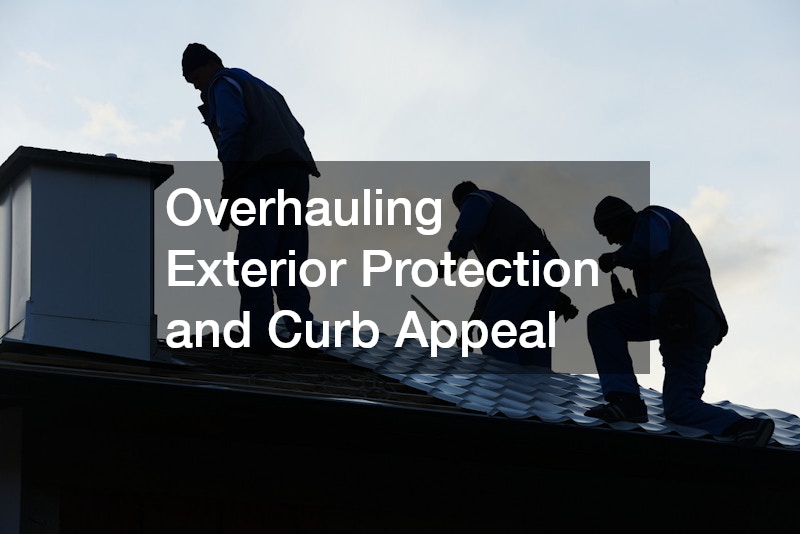
The roof is often one of the first features a prospective buyer asks about when assessing a home’s mechanical age. An outdated or leaking roof signals deferred maintenance, leading buyers to suspect that other hidden problems exist within the property. Replacing an aging roof completely changes the exterior narrative.
Investing in top-tier roofing materials shields the home from weather damage while instantly modernizing the overall exterior look. Architectural shingles offer texture and modern color choices that dramatically improve the home’s profile. An updated roof allows you to market the house as move-in ready with zero immediate capital expenditure needed from the buyer.
-
Inspect attic insulation and ventilation systems concurrently when upgrading overhead shingles.
-
Pick dark, modern shingle colors that contrast sharply with light exterior siding or painted brick.
Securing Expert Installation for Peace of Mind
Selecting high-quality roofing materials is only half the battle; proper installation is essential to ensure longevity and satisfy local building codes. Poorly installed shingles or bad flashing will result in leaks, ceiling stains, and costly repair bills right before closing.
Hiring certified, experienced roofers ensures that warranty coverage transfers smoothly to the new homeowner. Professional crews work quickly to keep your flip project moving on schedule, minimizing carrying costs like holding interest and utility bills. A fresh roof with transferrable warranties serves as a massive sales pitch during buyer negotiations.
-
Request full documentation of ice and water shield installation in cold climate zones.
-
Provide buyers with manufacturer warranty registration details directly in the home summary book.
Revamping Property Entrances and Approach Surfaces
The approach to a home sets the stage for the entire viewing experience. A cracked, weed-infested entry path creates a negative first impression before the buyer even steps out of their car. Exterior surfaces require clean, crisp lines to signal that the home has been completely renovated with care.
Replacing broken asphalt or sunken gravel with a smooth concrete driveway completely transforms the front exterior of the property. High-grade concrete surfaces provide a clean, modern aesthetic that drastically boosts curb appeal. This substantial exterior update justifies a higher listing price by eliminating immediate repair concerns for prospective owners.
-
Ensure proper water grading away from the home foundation during driveway pours.
-
Edge nearby lawn and garden beds cleanly against fresh concrete boundaries for maximum curb appeal impact.
Updating High-Traffic Interior Surfaces
Selecting High-Impact Flooring Solutions
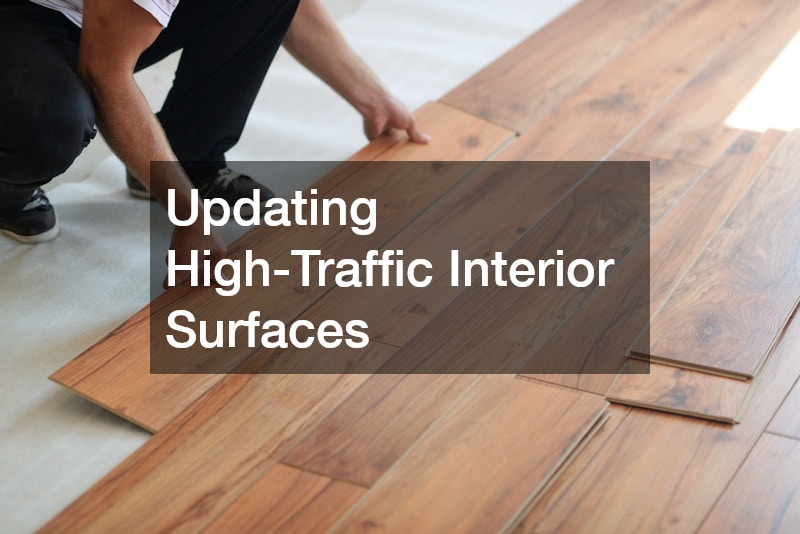
Flooring is one of the most powerful cosmetic upgrades in house flipping. Old, stained carpeting or discolored vinyl immediately dates a property and holds onto unpleasant odors. Installing fresh, cohesive flooring throughout the main living areas unifies the floor plan and makes smaller spaces feel significantly larger.
Sourcing materials through a wholesale flooring company allows you to secure luxury vinyl plank or engineered hardwood at contractor pricing. Luxury vinyl plank has become the preferred choice for flippers due to its durability, scratch resistance, and water-impermeable design. Standardizing flooring choices across the entire house creates seamless visual continuity that buyers love.
-
Run plank flooring parallel to the longest wall in open floor plans to maximize visual depth.
-
Opt for wide-plank wood or vinyl finishes in warm, neutral oaks rather than outdated dark grays.
Executing Precision Installation for Flawless Finishes
Even expensive flooring materials will look cheap if installed incorrectly over uneven subfloors or with sloppy trim cuts. Flooring installation requires careful surface prep, proper underlayment, and meticulous transition detailing around door frames and baseboards.
Professional installers ensure that transitions between bedrooms, hallways, and wet areas like bathrooms remain flush and tight. Pristine floor lines convey craftsmanship and high-end quality throughout the interior. Crisp, beautiful floors create an immediate positive reaction the moment potential buyers cross the threshold.
-
Replace thin or damaged baseboards with modern four-inch or five-inch flat trim to frame new floors.
-
Ensure adequate expansion gaps around wall boundaries to prevent buckling during summer climate shifts.
Elevating Interior Lighting and Privacy Details
Installing Clean Functional Window Features
Window finishes are often overlooked by novice house flippers, yet they play a major role in controlling natural light and creating a finished, staged feel. Leaving windows completely bare can make a renovated space feel cold, stark, and incomplete.
Adding modern window blinds offers an affordable way to introduce privacy while allowing buyers to adjust light levels during home tours. Clean, white faux-wood slats complement almost any design style and standard neutral wall paint color. This simple addition gives rooms a crisp, polished appearance without requiring a massive financial investment.
-
Standardize window sizes where possible during ordering to secure bulk contractor discounts.
-
Ensure all window cords are cordless or concealed to meet safety standards for family buyers.
Designing Layered Architectural Light Control
To stand out in competitive real estate markets, flips need subtle luxury details that set them apart from standard rental properties or unfinished DIY projects. Layering light controls adds texture and depth to key living areas like master suites and formal dining rooms.
Incorporating tailored window treatments, such as light-filtering cellular shades or neutral fabric drapes, elevates the interior design narrative. These decorative elements soften hard structural angles and reduce glare in listing photographs. Thoughtful light management makes interior spaces feel warmer, larger, and significantly more luxurious.
-
Hang curtain rods close to the ceiling line to visually extend wall height in living spaces.
-
Pair sheer inner shades with structured side drapes for a rich, staged appearance during open houses.
Strategic Kitchen and Bathroom Modernization
Focusing on High-Return Kitchen Refinements
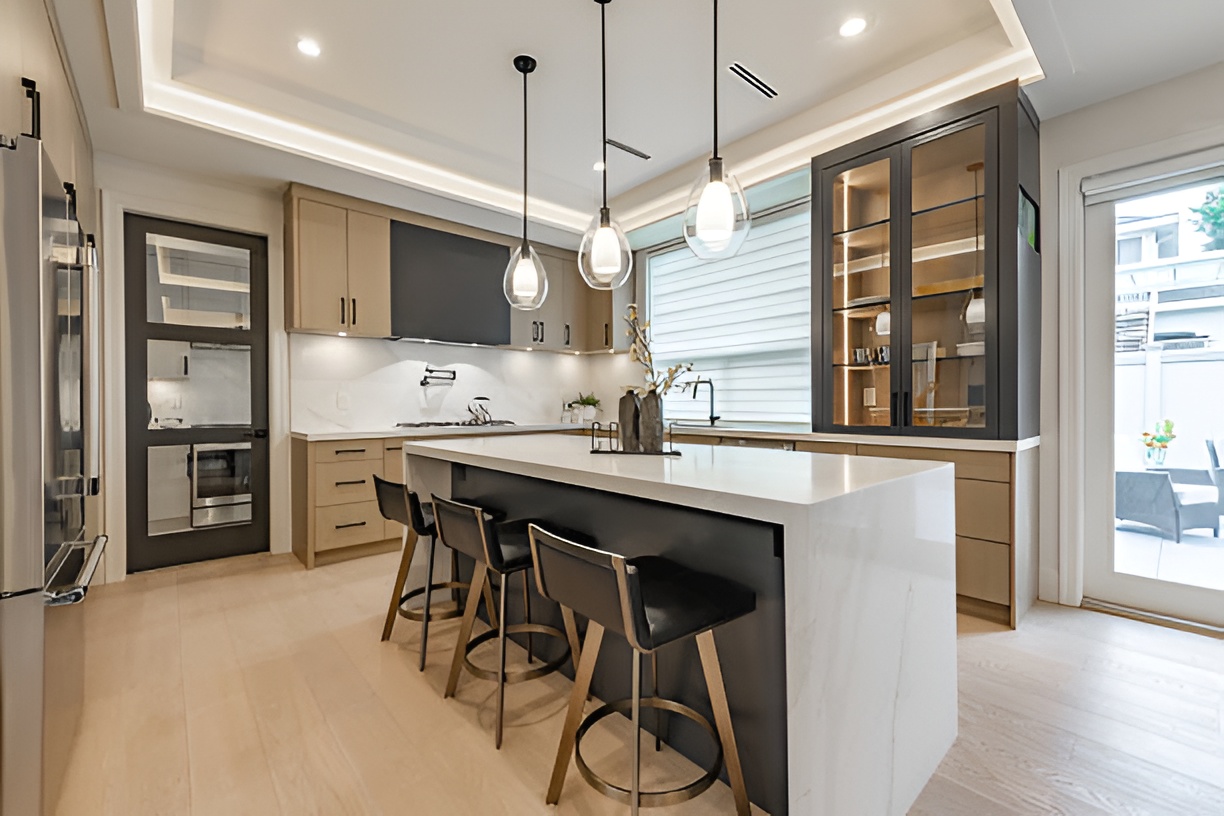
Kitchens are notoriously expensive to renovate, but they also drive buyer purchasing decisions more than almost any other room. The key for house flippers is avoiding complete structural layout changes unless absolutely necessary. Moving plumbing stacks or gas lines dramatically increases budget expenditures without yielding a proportional return on investment.
Refacing or repainting existing cabinetry, upgrading to modern quartz or granite countertops, and installing energy-efficient stainless steel appliances creates a dramatic visual overhaul at a fraction of the cost. Adding a stylish subway tile backsplash and modern cabinet hardware finishes the look. These targeted updates deliver the “wow factor” that buyers expect without exhausting your renovation capital.
-
Install soft-close hinges and drawer slides to provide an immediate tactile feeling of quality.
-
Match appliance metals and cabinet pulls to create a clean, unified modern aesthetic.
Streamlining Bathroom Fixtures and Layouts
Bathrooms require a similar strategic approach to maximize profitability. Full layout tear-outs should be avoided in favor of modernizing surfaces and fixtures. A clean, modern bathroom suggests hygiene, comfort, and luxury.
Updating old vanities with modern stone-topped units, replacing outdated faucets, and re-grouting or re-tiling shower enclosures instantly elevates the room. Replacing old toilets with modern, water-efficient models is a quick fix that pays off. Installing bright LED vanity lighting ensures the space feels large, clean, and well-lit during showings.
-
Choose large-format shower tiles to minimize grout lines and create an easy-to-clean modern surface.
-
Add recessed glass shelving inside shower surrounds for an inexpensive touch of functional luxury.
Maximizing Profitability Through Smart Budgeting
Avoiding the Pitfalls of Over-Improving
One of the quickest ways to ruin a flip’s profit margin is over-improving a house beyond the standard of its surrounding neighborhood. Installing ultra-luxury finishes in a starter-home neighborhood rarely yields a 100% return on the extra money spent. Smart real estate investors carefully analyze comparable properties before setting their renovation scope.
Your goal is to match or slightly exceed the top-tier homes in the immediate neighborhood while keeping your material costs strictly controlled. Stick to neutral color palettes, widely appealing fixture styles, and durable finishes. Restraint in design prevents overspending and keeps your profit margins protected.
-
Maintain a detailed material spreadsheet to track every single fixture and supply purchase.
-
Avoid custom-built elements in favor of readily available prefabricated products with fast shipping times.
Managing Timelines to Lower Carrying Costs
Time is money in the real estate flipping industry. Every extra week spent on a renovation means another week of paying property taxes, insurance, utility bills, and loan interest rates. Efficient project management is just as critical to your bottom line as purchasing materials at a discount.
Coordinate your trade contractors seamlessly so that work happens in a logical sequence. Dry mechanical trades should complete their work before drywall finishes begin, and messy interior painting should occur before final flooring goes down. Keeping your project moving forward without delays minimizes holding costs and maximizes your net return at closing.
-
Establish clear completion deadlines with financial penalties for contractor delays in project agreements.
-
Order long-lead materials like cabinets and specialized counters weeks before demolition starts.
Successful house flipping relies on allocating your renovation budget where it generates the highest return. By prioritizing essential structural integrity, installing durable roofing, and enhancing curb appeal through smart outdoor living spaces, you build a home that stands out in the marketplace. Complementing those heavy-duty updates with high-impact interior finishes like cohesive flooring and modern light controls ensures that buyers fall in love the moment they walk through the door. Maintain focus on your budget, manage your project timelines aggressively, and focus on the renovations that buyers truly value to achieve consistent, profitable flips.