










Home renovation projects represent one of the largest financial and emotional investments you will ever make in your property. Whether you are aiming to increase market value, address critical maintenance issues, or craft a living space that better suits your daily lifestyle, the ultimate outcome hinges almost entirely on the professionals you choose to hire. The right team turns your vision into a seamless reality executed on time and within budget, while an unvetted operator can turn a dream project into a drawn-out financial nightmare filled with costly structural mistakes.
Finding reliable service providers requires far more than a quick online search or picking the lowest bidder. It demands a systematic approach to researching, vetting, interviewing, and contracting. In this comprehensive guide, we will walk you through every critical stage of the contractor selection process, ensuring you protect your financial investment, your personal safety, and the long-term integrity of your home.
Setting Project Priorities and Defining Scope
Before you start contacting trade professionals or requesting project estimates, you must establish a clear vision of what you want to accomplish. Reaching out to service providers without a well-defined scope often leads to misaligned expectations, inaccurate pricing, and costly change orders later in the process. Taking the time to document your goals, spatial requirements, and functional preferences creates an objective baseline that keeps the entire project grounded from day one.
Start by separating your project into absolute necessities and optional wish-list items. Are you fixing a structural defect, upgrading outdated systems, or executing a purely cosmetic overhaul? Defining your priorities helps you communicate effectively with specialists and determine the exact skill set required for the job. Categorizing these project elements allows you to make informed trade-offs if initial material or labor estimates exceed your intended financial parameters, ensuring core structural needs are always funded first.
General cosmetic updates like repainting a room might only require a painter or handyman. However, complex jobs involving plumbing alterations, moisture barrier installation, and fixture relocation—such as major bathroom renovations—demand trade specialists who understand building codes, waterproofing protocols, and structural layouts. Knowing the precise boundaries of your project prevents scope creep and allows potential hirees to provide accurate cost estimates right from the start. Detailed scope documentation also serves as a critical benchmark during site walkthroughs, giving candidates identical parameters to bid against.
Timeline expectations must also align with seasonal supply chain availability and weather conditions. Urgent mechanical emergencies require rapid response times, and establishing an ongoing relationship with licensed heating contractors ensures your climate systems are inspected and serviced before severe winter conditions arrive. Conversely, non-emergency planned renovations give you the leverage to shop around, compare multiple bids, and schedule work during peak contractor availability. Factoring in lead times for specialized materials like custom tile, custom cabinetry, or imported fixtures ensures your target start dates remain realistic and free of costly delay penalties.
Researching Candidates and Building a Shortlist

With a clear scope and budget in hand, the next phase is building a pool of qualified, trustworthy candidates. Rushing this stage is where most homeowners make critical missteps. Building a strong shortlist requires cross-referencing recommendations from multiple reliable sources. Relying on a single referral source or choosing the first option that pops up in a search feed often limits your exposure to true specialists and increases the likelihood of working with underqualified crews.
The most reliable starting point is always direct word-of-mouth recommendations from friends, family members, and neighbors who have completed similar home projects within the past two years. Ask them specific questions about their experience. Did the team respect their property and keep the workspace clean? Was the final bill consistent with the initial bid? How did the project manager handle unexpected delays or complications? Gathering feedback on real-world communication and problem-solving gives you an authentic window into how a crew operates once work begins.
Beyond personal networks, local trade associations and municipal building departments can point you toward established firms with solid local reputations. If your project involves extensive site work, driveways, or exterior hardscaping, you will want to gather bids from a reputable asphalt service provider rather than general laborers. Gathering recommendations from multiple independent sources helps filter out unreliable operators early. Regional supply yards and specialized material distributors are also excellent resources, as they know which local contractors consistently pay their bills, order quality materials, and maintain high professional standards.
Understanding when to hire a General Contractor versus a specialized trade subcontractor is essential for budget management and project control. General Contractors are best suited for large-scale, multi-trade projects where they manage logistics, schedule subcontractors, pull permits, and oversee quality control. Specialized subcontractors are best for targeted, single-system jobs where deep domain expertise is required. Hiring a General Contractor for a single-trade project adds unnecessary oversight markups, whereas managing a complex multi-room build entirely on your own can quickly lead to scheduling chaos and mismanaged trade dependencies.
For single-trade exterior projects, hiring a dedicated specialist is generally safer and more cost-effective. For instance, if your property requires extensive weatherproofing or shingle repair, working directly with a certified roofing contractor ensures that the crew possesses deep material knowledge, specialized safety equipment, and manufacturer warranties that a standard handyman simply cannot provide. Direct trade specialists carry targeted industry credentials, carry safety gear designed specifically for their line of work, and can quickly identify subtle structural or ventilation issues that unspecialized contractors routinely overlook.
Verifying Licensing, Insurance, and Environmental Safety

Never rely on verbal assurances or fancy website graphics when it comes to credentials. Protecting your home and financial stability requires rigorous, independent verification of licenses, permits, and active insurance policies. Skipping proper credential verification opens the door to unvetted practices, uninsured workplace injuries, and costly municipal fines that ultimately land on the homeowner’s shoulders.
Most states, provinces, and municipalities require residential contractors to hold an active trade license to legally perform work over a specific dollar threshold. Request the candidate’s license number directly and verify it through your local or state licensing board website. Look for active license status with no pending disciplinary actions, a clear record free of unresolved consumer complaints or administrative fines, and appropriate trade designations for the specific work being performed. Confirming that their license status matches the exact corporate name listed on their contract prevents unvetted operators from using another entity’s credentials.
Specialized tasks require verified technical competency. If your project involves replacing the primary weather barrier of your home, ensure that the team handling your roof replacement has pulled all necessary municipal permits and adheres to local building code requirements. Performing complex structural modifications without professional oversight and engineered calculations can permanently compromise your home’s framing and structural stability. Municipal permit inspections provide an essential third-party verification step, ensuring that tear-offs, decking repairs, and flashing details conform to current structural and fire safety standards.
Never allow a crew on your property without direct proof of active insurance coverage. You must request certificates of insurance sent directly from the contractor’s insurance agent to you, verifying both General Liability insurance and Workers’ Compensation insurance. Ensure policy coverage limits adequately protect against major structural damage, and confirm that the policy expiration dates cover the entire anticipated duration of your project.
When planning dangerous exterior work, such as clearing massive overhanging timber near power lines or structural walls, verifying insurance is paramount. Hiring a fully insured local tree removal service protects you from liability should a heavy branch fall or accidentally damage adjacent property during site preparation. Verifying that their coverage explicitly includes high-risk felling and crane operations guarantees that any unexpected property damage or jobsite injury is fully covered by the commercial insurer rather than your personal homeowner policy.
Auditing Past Performance, Portfolios, and Property Defenses
A licensed and insured candidate is not automatically a skilled craftsman. The next critical phase involves auditing the quality of their past work, examining their portfolio, and speaking directly with former clients. Credentials prove legal authorization and financial protection, but evaluating actual completed work provides the true measure of a crew’s technical mastery, attention to detail, and operational professionalism.
Ask every shortlisted professional for a reference list of at least three clients whose projects were similar in scope and scale to yours and were completed within the last twelve to eighteen months. When calling these references, go beyond asking if they liked the contractor. Ask operational questions regarding whether the job site was cleaned daily, if the project manager communicated delays proactively, and how the finished work has held up over seasonal shifts. Inquire specifically about how the team handled change orders, whether work crews were respectful of personal space, and if the final invoice matched the agreed-upon contract bid without unapproved surcharges.
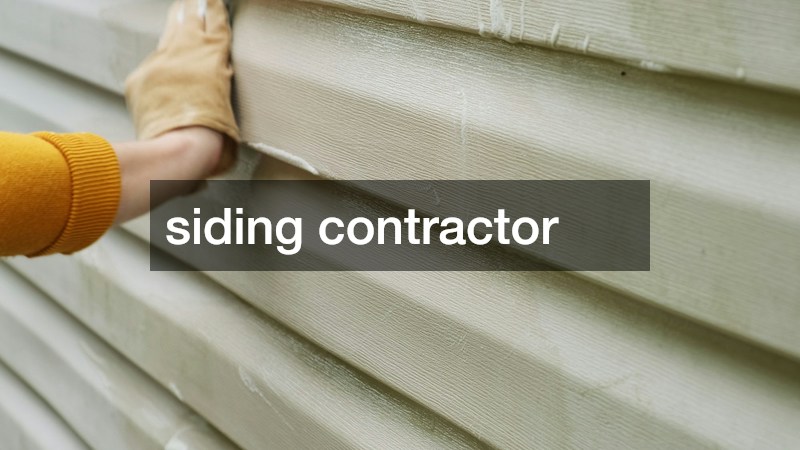
When evaluating exterior cladding, wall insulation, or protective envelope finishes, pay close attention to long-term durability. Asking to view past projects completed by a siding contractor allows you to inspect whether seam alignments were tight and whether weather barrier flashing has prevented moisture intrusion over time. Visiting a completed job site in person gives you an opportunity to check for subtle defects, such as uneven lap reveals, loose corner posts, or improper caulking applications around exterior window frames.
Reviewing portfolios requires a critical eye. Look for high-resolution, close-up photographs of completed jobs rather than distant, wide-angle shots that hide imperfections. Examine the quality of craftsmanship in detail to see if joints are tight, transitions are smooth, and finished surfaces show even coverage without visible defects. Authentic portfolios should showcase various stages of a project, including raw framing, rough-in utility work, and moisture barrier installations, demonstrating that structural execution behind finished surfaces is handled with the same care as cosmetic detailing.
Before starting major renovations that involve disturbing walls, subfloors, or framing timber, environmental inspections are vital. Engaging professional pest control services to evaluate your home for hidden termite colonies, carpenter ants, or rodent entry points ensures that structural defects are fully remediated before new building materials are installed over damaged wood. Identifying subterranean pest infestations early prevents you from sealing active colonies behind brand-new drywall or insulation, protecting both your structural framing and your financial investment from hidden, ongoing destruction.
Evaluating Estimates, Contracts, and Payment Protections
The final phase of choosing a contractor is the financial and legal evaluation. Never sign a contract or hand over a deposit until every detail of the project scope, cost structure, timeline, and legal protections is documented in writing.
Request itemized estimates from at least three qualified candidates. Avoid vague, single-page estimates that list a blanket figure for labor and materials. A professional bid must clearly break down specific material brand names, grade levels, model numbers, precise labor estimates categorized by phase, permitting fees, disposal costs, and clear target completion dates.
Comparing material specifications is especially crucial for trade projects that impact energy performance. When evaluating bids from an insulation contractor, verify the exact R-value ratings, foam or fiberglass material types, and coverage areas specified in the quote to ensure your home achieves optimal thermal efficiency.
Beware of bids that fall significantly below the average market range. Exceptionally low quotes often indicate that a contractor has underbid out of desperation, omitted critical scope items, or plans to use substandard materials and unvetted labor to protect their profit margins.
Never pay the full cost of a project upfront, and avoid contractors who demand large cash deposits before materials are delivered. A standard, safe payment schedule ties payments directly to verifiable project milestones. A common structure involves a ten to fifteen percent deposit upon contract signing, followed by progress payments upon completion of specific phases like demolition, rough-in, and substantial finishing.
Ensure your contract explicitly states that final payment will be released only after a complete walkthrough is conducted, all punch-list items are resolved, municipal building inspections are passed, and final mechanics’ lien waivers are signed by all subcontractors and material suppliers. This documentation is equally essential for exterior boundary structures like fence repairs, ensuring that property lines are respected and that material suppliers cannot place liens on your property after the work is complete.
Selecting the right professional to work on your home is an intensive process that requires patience, thorough research, and careful attention to detail. By taking the time to define your scope clearly, verify trade licenses and insurance coverage independently, evaluate past work meticulously, and insist on transparent, milestone-based contracts, you safeguard your property and peace of mind.
Investing effort into the selection process upfront eliminates expensive surprises, structural failures, and legal headaches down the road. Armed with a structured vetting plan, clear financial boundaries, and a written agreement, you can move forward with your home improvement goals confident that your property is in capable hands.