









Improving a home’s safety and comfort often involves more than buying a new product or scheduling a single day of labor. Access, permits, site preparation, supporting systems, finish repairs, and long-term maintenance can all change the real cost. A useful budget accounts for those factors before a project begins rather than treating them as surprises.
Homeowners also benefit from viewing the property as a group of connected systems. Work on the roof may affect trees and gutters, an outdoor recreation project may require electrical preparation, and a water improvement may depend on testing or plumbing changes. The order of those projects can either protect the budget or create unnecessary repetition.
No universal price applies to every house because dimensions, materials, existing conditions, regional requirements, and household priorities vary. Instead of relying on a broad estimate, owners should understand what drives each proposal and which costs may continue after installation. That knowledge supports clearer comparisons and more realistic decisions.
Create a Budget That Reflects Complete Project Costs
Begin by dividing each project into planning, materials, labor, permits, access, cleanup, restoration, and ongoing care. Some categories will be minor, while others may determine whether the project remains affordable. A written worksheet also exposes omissions when one proposal appears substantially lower than the others.
The budget for home restoration often changes as damaged areas are opened and the full extent of the problem becomes visible. Moisture, smoke, structural damage, or contaminated materials may require specialized work before finishes can be rebuilt. Owners should ask how unknown conditions will be documented, priced, and approved if the original scope must change.
Temporary living arrangements deserve their own line when kitchens, bathrooms, bedrooms, or utilities may be unavailable. Meals, storage, pet care, protective coverings, and time away from work can add to the household impact. Even when the family remains at home, separating clean and active work areas may require materials and planning.
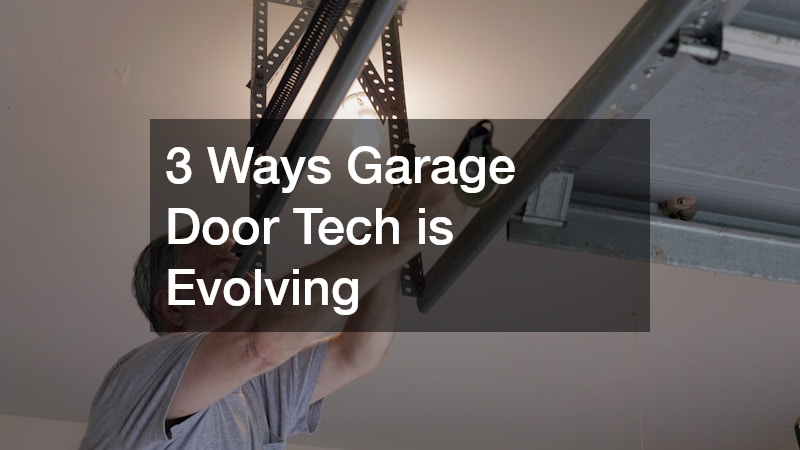
An early allowance for garage door replacement should consider the door, hardware, tracks, opener compatibility, controls, disposal, and any repairs around the opening. Insulation, windows, finish, size, and construction influence material cost, while limited access or damaged framing may increase labor. A complete proposal identifies what will remain and what will be replaced.
Plan for Vehicle Charging at Home
Charging equipment should be selected after the household considers vehicle requirements, parking patterns, panel capacity, cable reach, and likely future use. The least expensive device may not serve a second vehicle or a different parking position later. Planning for actual routines keeps the installation practical without automatically choosing the highest-capacity option.
The cost of a home EV charging station depends on equipment, circuit requirements, distance from the electrical panel, routing difficulty, permits, and any necessary capacity work. Finished walls, detached garages, buried runs, and crowded panels can make installation more involved. Owners should request a site-specific electrical assessment before committing to a charger model.
Operating controls and connectivity may affect value even when they are not essential to basic charging. Some households prioritize scheduling, usage data, access controls, or integration with utility programs, while others want a straightforward setup. Warranty terms, outdoor ratings, mounting, and replacement access belong in the comparison as well.
Improve Water Quality and Prevent Unwanted Intrusions
Water treatment should begin with the concern the household wants to address. Taste, odor, sediment, hardness, staining, or a specific contaminant may call for different equipment. Testing and an evaluation of plumbing conditions reduce the risk of paying for a system that does not match the water or the family’s consumption.
A home water filtration installation may include treatment equipment, valves, drains, bypasses, electrical access, mounting, plumbing modifications, and startup testing. Available space and the location of the main line can influence labor significantly. The proposal should state which fixtures or portions of the house will receive treated water and what maintenance the system requires.
Pest concerns also vary by species, entry point, moisture conditions, and the size of the affected area. A careful inspection should identify evidence, likely access routes, and conditions that support activity. Sealing, sanitation, material removal, monitoring, and follow-up may matter as much as the initial treatment.
The cost of home pest control should be evaluated by scope and duration rather than one advertised visit. Some situations call for targeted treatment, while others require an ongoing program or repair of damaged materials. Homeowners should ask what organisms are covered, how progress is assessed, and which preventive actions remain their responsibility.
Protect the Structure From Weather
Roof work influences the safety of the structure and the durability of improvements beneath it. Leaks, deteriorated flashing, ventilation problems, storm damage, and worn materials may require different responses. An inspection should distinguish isolated repair needs from conditions that affect a larger portion of the system.
Proposals for residential roofing should identify surface materials, underlayment, flashing, ventilation, penetrations, disposal, permits, warranties, and the treatment of damaged decking. Roof size and slope matter, but access, height, architectural complexity, and material choice also affect labor. Clear allowances for concealed damage make potential changes easier to evaluate.
The household should also plan for the disruption surrounding the work. Driveway access, noise, falling debris, attic protection, landscaping, pets, and cleanup procedures deserve discussion before the start date. If solar equipment, skylights, antennas, or gutters are present, responsibility for removal and reconnection must be documented.
Manage Trees as Part of Property Safety
Trees contribute shade, privacy, and character, yet their location and condition may affect roofs, walkways, utilities, vehicles, and outdoor gathering areas. Splits, hanging limbs, dead wood, root conflicts, or storm damage warrant an informed assessment. The goal is to understand risk and preserve healthy growth where practical.
When selecting a local tree business, homeowners should compare credentials, insurance, equipment, cleanup, protection of surrounding property, and the clarity of the written scope. Tree size is only one cost factor; location, access, nearby structures, utility conflicts, and disposal needs also matter. Proposals should specify whether wood, chips, and debris will remain or be removed.
Routine pruning should have a defined purpose rather than being based solely on appearance. Clearance, structural concerns, dead material, and interference with buildings may justify work, but unnecessary cutting can damage a tree. Timing may also vary by species, condition, weather, and the reason for pruning.
A tree trimming service estimate should identify which limbs or areas will be addressed, how access will be managed, and what cleanup is included. Work near power lines or difficult structures may involve added coordination and equipment. Photographs or marked diagrams reduce uncertainty when several trees or multiple objectives are included.
Evaluate the Full Scope of Backyard Recreation
Large outdoor additions reshape more than the area they occupy. Excavation, drainage, utilities, barriers, access, decking, landscaping, equipment placement, and soil conditions can all affect the budget. Owners should study the whole yard so the project preserves useful circulation and does not block maintenance routes.
Estimates from pool installers should define site preparation, structure, finishes, circulation equipment, controls, permits, inspections, startup, and restoration. Allowances for rock, groundwater, soil removal, or limited equipment access deserve particular attention because they may change after excavation begins. A payment schedule should correspond to clear construction milestones.
The finished project will also create recurring responsibilities. Water care, cleaning, energy use, seasonal procedures, equipment service, surface maintenance, and replacement parts should be considered before selecting features. A design that fits the ongoing household budget may provide more value than an elaborate plan that becomes difficult to maintain.
Owners considering spas should account for costs beyond the purchase price, including delivery access, a suitable base, electrical work, water care, covers, energy use, and eventual component service. Location affects privacy and convenience, but it also influences wiring, drainage, structural support, and weather exposure. These dependencies should be confirmed before a unit is ordered.
Update a Major Entry Point Carefully
A vehicle entry is a large moving assembly that influences security, convenience, weather protection, and exterior appearance. Worn components, impact damage, poor fit, corrosion, or an unreliable opener may affect the appropriate scope. An inspection can clarify whether individual parts remain serviceable or the overall assembly warrants renewal.
During garage door replacement, the selected size, material, insulation, windows, finish, hardware, and opener requirements influence the final cost. The condition of the opening and surrounding framing may also affect installation. Owners should confirm wind or code requirements, disposal, controls, safety testing, warranty coverage, and finish work in writing.
The project may be easier to complete when the garage is cleared before the installation date. Vehicles, shelving, stored items, and ceiling-mounted equipment can limit safe access. Homeowners should also plan how the property will remain secure if unexpected repairs keep the opening incomplete overnight.
Prepare for Damage Before an Emergency Occurs
Emergency work is harder to price and coordinate because the household may need immediate stabilization before a complete plan exists. A property file containing insurance information, photographs, material records, utility shutoff locations, and contractor contacts can reduce confusion. Owners should also know which temporary expenses require documentation.
An emergency reserve for home restoration gives the household flexibility to address deductibles, uncovered work, temporary protection, or necessary upgrades discovered during repairs. The reserve does not need to fund every possible event, but it should reflect the home’s age, known vulnerabilities, and insurance arrangement. Annual policy review keeps assumptions from becoming outdated.
Once urgent work is stabilized, separate necessary repairs from optional upgrades. That distinction keeps an emergency from becoming an uncontrolled expansion of scope and gives the household time to evaluate later improvements deliberately.
Future electrical planning can serve a similar preventive role. If a vehicle purchase is likely, reserving capacity or a practical route for a home EV charging station may avoid opening newly finished surfaces later. The decision should be based on realistic plans and verified electrical conditions rather than an assumption that every home needs immediate installation.
Account for Maintenance After Installation
Initial cost is only one part of ownership. Filters, media, service visits, cleaning, inspections, replacement components, energy, and water can add recurring expenses. A lifecycle worksheet should show how often each task is expected and whether the homeowner or a professional will perform it.
Maintenance for a home water filtration installation may involve cartridges, media replacement, sanitizing, testing, or attention to drains and treatment tanks. The schedule depends on equipment, water quality, and household use. Owners should compare the availability and price of replacement materials before choosing a system that will remain in service for years.
Seasonal routines can reduce the likelihood that small concerns grow into expensive damage. Check accessible seals, drainage paths, screens, stored materials, and moisture-prone areas while conditions are easy to correct. Records should distinguish completed preventive work from unresolved observations that need professional assessment.
Recurring home pest control belongs in the budget only when the property conditions and treatment plan support it. The value lies in defined monitoring, covered issues, response procedures, and documented follow-up rather than automatic visits with no stated objective. Owners should periodically review whether the program still matches present risks.
Coordinate Exterior Projects to Avoid Duplicate Work
Exterior projects frequently share access areas, protection needs, and disposal space. Mapping equipment routes, scaffolding, excavation zones, and material staging before contracts are signed can expose conflicts. This review is particularly useful when several projects are planned within the same year.
Scheduling residential roofing before vulnerable interior finishes may prevent a known leak from damaging new work. Tree clearance, utility access, gutters, and rooftop equipment should be resolved before the start date so crews are not forced to improvise. The sequence should also protect landscaping and preserve a safe delivery area.
Weather-related projects may compete for driveway space, equipment access, and debris removal. Establishing one staging plan keeps crews from blocking one another and reduces avoidable movement across vulnerable areas.
Severe weather can create urgent tree concerns at the same time that roof or vehicle damage demands attention. Keeping current contact and insurance information for a local tree business reduces the pressure to evaluate an unfamiliar provider during an emergency. Homeowners should still request a defined scope and written authorization before nonemergency additions are made.
Protect Outdoor Investments Through Sequencing
The safest construction order usually places heavy access, excavation, and overhead work before delicate surfaces and new plantings. Existing utilities should be located, and future lines should be planned before ground is closed. Temporary fencing and protected travel routes may be necessary when occupants remain on the property.
A tree trimming service may need to complete confirmed clearance work before roof, patio, fence, or recreation construction begins. Scheduling it early keeps falling debris and large equipment away from newly installed materials. The scope should remain limited to work supported by the tree assessment and the needs of the later project.
With overhead work finished, the site can be checked again for access, grading, and utility conflicts. This pause allows the next contract to reflect actual conditions rather than an outdated plan.
Contracts with pool installers should state who coordinates electrical, plumbing, fencing, drainage, landscape repair, inspections, and final startup. If several firms are involved, one written schedule should show the dependencies among them. Undefined handoffs can create delays or added charges even when each individual proposal appears complete.
Review Long-Term Comfort and Operating Costs
Comfort features are easiest to appreciate when their upkeep fits ordinary household routines. Before choosing optional upgrades, owners should estimate the time, supplies, energy, and professional care associated with each one. A realistic review may support a simpler selection, a smaller project, or a delayed installation.
For spas, long-term planning should include cover replacement, water treatment, cleaning, winter procedures where applicable, and access for future service. Controls and efficiency features may influence operating expenses, but complexity can also affect repair needs. The best choice balances desired use with the household’s willingness to maintain the equipment.
Closeout records make every completed project easier to manage. Collect permits, inspection approvals, warranties, model information, finish details, maintenance instructions, photographs of concealed work, and final paid invoices. Organize the documents by system so future repairs or additions can build on accurate information.
Make Safety and Comfort Part of One Financial Plan
A safer, more comfortable home does not require every improvement at once. Owners can begin with verified risks, protect the structure and utilities, and schedule optional features when the budget and property are ready. Comparing full scopes rather than headline prices leads to better decisions about what belongs in each phase.
The strongest plan accounts for installation, supporting work, household disruption, maintenance, and future coordination from the beginning. With clear priorities and documented assumptions, homeowners can invest gradually without losing sight of the whole property. Each completed project then supports the next instead of creating another expense to undo or work around.