








Your home will always need occasional maintenance. A leaky faucet, a cracked tile, or a worn-out appliance is simply part of homeownership. However, there comes a point when repeated repairs stop solving the real problem. Instead of fixing isolated issues, homeowners may need to consider larger upgrades, system replacements, or comprehensive renovations.
The challenge is that these warning signs often appear gradually. A homeowner might spend years patching problems without realizing that those recurring repairs are symptoms of something much bigger. Learning to recognize the difference can save money, improve comfort, and protect your property’s long-term value.
Many homeowners delay major improvements because they worry about costs or disruptions. Ironically, postponing necessary upgrades often results in higher expenses later. Water damage spreads, mechanical systems become less efficient, and small structural concerns can evolve into significant repairs. Recognizing when your home has moved beyond simple maintenance allows you to make informed decisions before problems become emergencies.
Another challenge is that many homes age unevenly. One part of the property may appear perfectly functional while another area quietly deteriorates. A roof might still look acceptable from the ground while hidden moisture damages the attic. An aging HVAC system may continue operating despite becoming increasingly inefficient. Because these problems develop gradually, homeowners often adapt to declining performance without realizing how much has changed over time. Taking a proactive approach to evaluating your home’s overall condition can help uncover concerns before they become expensive surprises.
Paying Attention to Problems That Keep Returning
Tracking Patterns Instead of Individual Repairs
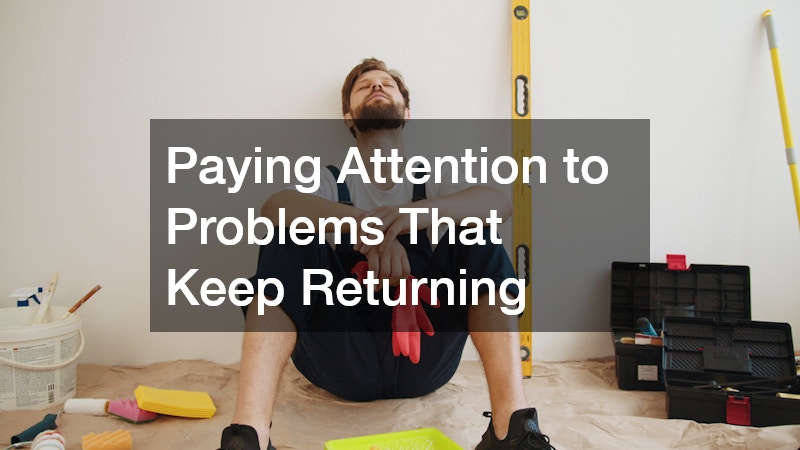
Most homeowners focus on the immediate issue in front of them. If a pipe leaks, they repair the leak. If a wall cracks, they patch the drywall. While those responses make sense, recurring problems deserve closer scrutiny.
Imagine repairing a ceiling stain three separate times over four years. Each repair might seem relatively inexpensive. Yet if the stain keeps returning, the real issue may involve roofing, ventilation, drainage, or structural deterioration.
One useful habit is maintaining a home maintenance journal. Record repair dates, costs, contractor visits, and recurring concerns. Over time, patterns begin to emerge.
Pay particular attention to:
- Problems that return within a year of repair
- Repairs affecting multiple rooms or systems
- Increasing repair costs over time
- Damage spreading to adjacent areas
When these patterns appear, it may be time to consult experienced remodeling contractors who can evaluate whether the underlying issue requires a larger renovation rather than another temporary fix.
Recognizing Connected System Failures
Homes function as interconnected systems. Water affects framing. Roofing impacts insulation. HVAC performance influences indoor humidity.
When multiple problems seem unrelated but occur simultaneously, there is often a common cause. For example, poor attic ventilation may contribute to moisture damage, roofing deterioration, and increased energy costs all at once.
Looking at the house as a whole rather than focusing on isolated repairs often reveals opportunities for lasting solutions. Homeowners who take this broader view frequently discover that investing in a comprehensive fix reduces future maintenance costs and improves overall property performance.
Evaluating Water Damage Beyond Surface Stains
Looking Past What You Can See
Water damage rarely remains where it begins. A small leak behind a wall can travel along framing, insulation, and flooring before becoming visible.
Many homeowners make the mistake of repairing visible symptoms while overlooking the source. Fresh paint may cover stains temporarily, but hidden moisture continues causing damage.
Watch for subtle warning signs such as musty odors, peeling paint, warped flooring, or unexplained mold growth. These indicators often suggest that moisture has been present for much longer than expected.
In older homes especially, long-term water intrusion can compromise structural components and create conditions that require extensive restoration rather than simple repairs.
Examining Exterior Drainage Conditions
Exterior drainage problems frequently trigger interior damage. Water that is not directed away from the house eventually finds a path inside.
A walk around your property after a heavy rain can reveal valuable clues. Look for overflowing gutters, pooling water near the foundation, erosion, and damp basement walls.
Professional gutter contractors can help determine whether drainage deficiencies are contributing to larger structural concerns. In many cases, correcting water management issues prevents future damage and eliminates the need for repeated repairs.
Even something as simple as changing the slope of landscaping or extending downspouts farther from the foundation can dramatically reduce long-term water exposure.
Watching Roofing Problems Continue to Spread
Identifying When Patches Stop Working
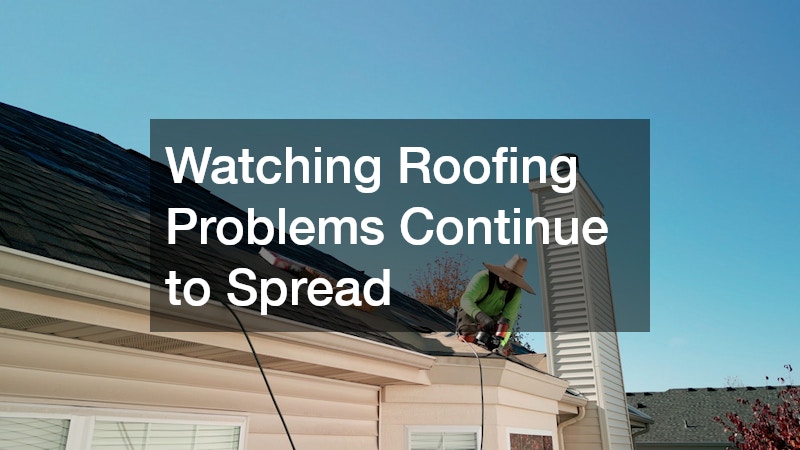
Roof repairs are often effective when damage is isolated. However, repeated leaks, widespread material deterioration, and recurring water intrusion suggest that patching may no longer be sufficient.
A homeowner might repair one section of a roof only to discover a leak developing elsewhere six months later. Over time, these recurring issues become increasingly expensive.
Signs that repairs may no longer provide long-term value include:
- Multiple active leak locations
- Significant storm damage history
- Visible sagging areas
- Repeated repair bills over several years
- Extensive age-related deterioration
Addressing the root cause often proves more cost-effective than continuing an endless cycle of temporary fixes.
Assessing Material Condition Thoroughly
Roofing materials naturally wear over time. Cracked, curling, or missing shingles can indicate widespread aging rather than isolated damage.
Even when individual sections appear repairable, underlying components may have reached the end of their service life. A qualified local roofer can evaluate whether the roof’s condition warrants replacement or more extensive rehabilitation.
The goal should not simply be stopping the next leak. Instead, homeowners should determine whether the entire roofing system remains capable of protecting the home effectively.
Determining Whether Energy Costs Reveal Deeper Issues
Reviewing Utility Trends Carefully
Many homeowners notice rising utility bills but assume higher costs are unavoidable. While energy prices certainly fluctuate, persistent increases often indicate inefficiencies within the home itself.
Compare utility statements from previous years. Look for unusual spikes that cannot be explained by weather or changes in household occupancy.
A poorly performing home may waste energy through:
- Inadequate insulation
- Air leakage
- Aging equipment
- Poor ventilation
- Deteriorating building materials
These issues rarely improve through isolated repairs alone.
Investigating Indoor Comfort Problems
Comfort issues often provide important clues. If some rooms remain hot while others stay cold, or if humidity levels feel difficult to control, larger system deficiencies may exist.
Homeowners frequently spend years scheduling repeated service visits without addressing the broader problem. An experienced HVAC company can evaluate airflow, insulation, ductwork, and equipment performance together rather than focusing on individual symptoms.
This whole-house perspective often uncovers opportunities for significant efficiency improvements and lasting comfort gains. In many cases, homeowners are surprised to learn that comfort issues stem from multiple contributing factors rather than a single malfunctioning component.
Assessing Aging Systems With a Long-Term Mindset

Comparing Repair Costs With Replacement Value
Many homeowners automatically choose repairs because they appear less expensive initially. However, repeated repairs can quietly exceed the cost of replacement.
Consider a water heater, air conditioner, or furnace that requires service multiple times per year. Each repair may seem manageable, but the cumulative expense often becomes substantial.
Before approving another repair, ask:
- How old is the equipment?
- How frequently does it fail?
- Are parts becoming harder to find?
- Has efficiency declined noticeably?
Answering these questions honestly can clarify whether continued repairs make financial sense.
Understanding Equipment Lifecycles
Mechanical systems have finite lifespans. Eventually, reliability declines regardless of maintenance quality.
Repeated calls for ac repair often indicate that a cooling system is approaching the end of its useful life. Even when repairs restore temporary operation, underlying wear continues progressing.
At some point, replacement offers better performance, improved efficiency, and greater peace of mind than ongoing repair expenses.
Checking Whether Water System Problems Are Expanding
Paying Attention to Small Changes
Water-related issues rarely begin with major failures. More often, homeowners notice subtle changes that gradually worsen over time.
Perhaps hot water runs out faster than it once did. Maybe water pressure fluctuates unexpectedly. Strange noises, inconsistent temperatures, or discoloration may also develop.
While these symptoms sometimes have simple causes, they can also indicate aging infrastructure requiring broader attention.
Observing and documenting these changes helps identify trends before costly emergencies occur.
Calculating the Real Cost of Delayed Action
Repeated plumbing repairs often create a false sense of savings. Homeowners may spend hundreds of dollars several times per year while postponing larger upgrades.
Eventually, the total expenditure exceeds the cost of replacement.
Frequent calls for water heater repair services should prompt a closer evaluation of system age, efficiency, and overall condition. If the equipment is nearing the end of its expected lifespan, investing in a modern replacement may deliver better long-term value than continued repairs.
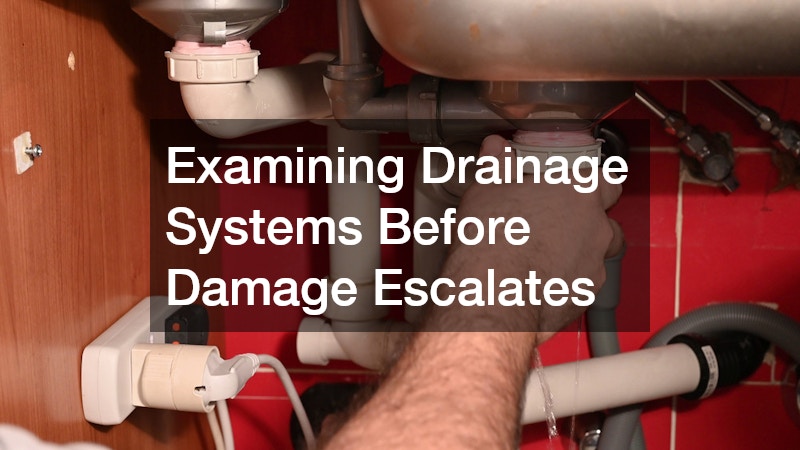
Examining Drainage Systems Before Damage Escalates
Looking Beyond the Gutters
Drainage issues affect much more than the roofline. Poor water management can contribute to foundation movement, basement moisture, landscaping damage, and exterior deterioration.
Walk around the property during rainfall whenever possible. Observe where water collects and how it flows away from the home.
Warning signs include standing water, eroded soil, foundation cracks, and excessive moisture near exterior walls.
Addressing these conditions early can prevent much larger structural problems in the future.
Upgrading Water Management Features Strategically
Sometimes existing drainage systems simply no longer meet the property’s needs.
Professional gutter installation may provide significantly better water control than aging or undersized systems. In some situations, decorative features such as a rain chain can help direct runoff effectively while enhancing curb appeal.
The key is viewing drainage as a protective system rather than an isolated exterior feature. Proper water management supports nearly every aspect of a home’s structural health.
Considering Whether Cosmetic Fixes Address the Real Problem
Distinguishing Appearance From Performance
Many homeowners focus on what they can see. Fresh paint, new trim, and updated finishes certainly improve appearance, but cosmetic upgrades do not always solve underlying problems.
A crack in a floor might indicate foundation movement. Peeling paint could signal moisture intrusion. Uneven surfaces may reveal structural concerns developing beneath the visible finish.
Before investing heavily in cosmetic improvements, ensure the underlying structure remains sound.
Addressing root causes first prevents future damage from undoing recent upgrades.
Choosing Improvements That Deliver Lasting Benefits
When larger improvements become necessary, prioritize upgrades that provide both durability and functionality.
For example, custom epoxy flooring offers more than aesthetic appeal. It can improve durability, simplify maintenance, and withstand heavy wear in garages, workshops, and other demanding environments.
The best investments solve existing problems while enhancing future performance. Rather than repeatedly repairing worn surfaces, homeowners can often achieve greater value through strategic upgrades designed to last.
Creating a Plan for Long-Term Improvement
Prioritizing Projects by Risk and Impact
Once homeowners recognize that larger issues exist, the next step is creating a realistic action plan.
Not every project requires immediate attention. Prioritize improvements based on safety, structural integrity, water intrusion risk, and potential financial consequences.
A useful approach involves categorizing projects into three groups:
- Immediate concerns requiring prompt action
- Important upgrades needed within one to three years
- Long-term improvements planned for the future
This framework helps homeowners allocate resources effectively while reducing stress.
Taking a Comprehensive View of the Property
The most successful home improvement decisions come from understanding how different systems interact.
A roofing project may affect insulation performance. Drainage improvements may protect the foundation. Mechanical upgrades may improve indoor air quality and comfort.
Rather than addressing problems one at a time indefinitely, homeowners benefit from evaluating the entire property and developing a coordinated improvement strategy.
Working with qualified professionals can also help establish realistic timelines and budgets. By planning projects strategically, homeowners can often complete multiple improvements more efficiently while minimizing disruption to daily life.
Homeowners should also revisit their improvement plans annually. Conditions change, priorities shift, and previously minor concerns can become more urgent over time. Treating home improvement as an ongoing process rather than a one-time project allows you to make better decisions and avoid reactive spending. Even modest annual investments can help prevent major expenses down the road.
A thoughtful plan not only reduces recurring repairs but also increases efficiency, comfort, and long-term property value.
Your home will always require maintenance, but recurring problems often signal something larger than ordinary wear and tear. When repairs become frequent, expensive, or ineffective, it is worth stepping back and evaluating the bigger picture. By recognizing patterns, addressing root causes, and investing strategically, homeowners can move beyond temporary fixes and create a safer, more reliable, and more valuable home for years to come.