









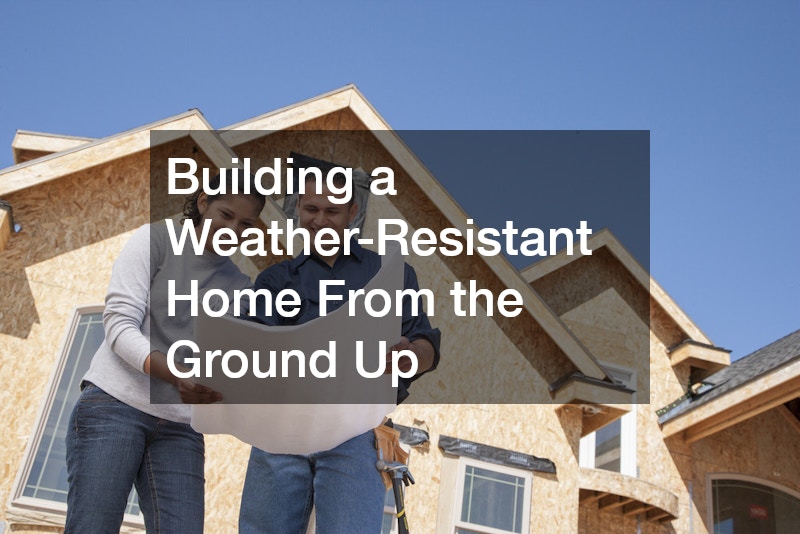
Severe storms, temperature swings, flash floods, and prolonged heat waves are no longer rare events. In many regions, they’re becoming part of the yearly rhythm. When you’re building a home from the ground up, that reality should shape every decision you make — from how the lot is graded to how mechanical systems are installed.
A weather-resistant home isn’t defined by one premium material or a single upgrade. It’s the result of dozens of coordinated choices that work together: managing water before it touches the structure, reinforcing vulnerable points, insulating intelligently, and preparing systems for stress. When these decisions are made early — not as afterthoughts — you create a home that lasts longer, performs better, and costs less to maintain over time.
What follows is a practical, ground-up guide to building a home that stands strong in real-world conditions.
Start With a Site Plan That Manages Water Correctly

Long before framing begins, your home’s long-term durability is determined by how water moves across your property.
Water is relentless. It seeps into cracks, pools against foundations, erodes soil, and slowly undermines structural integrity. That’s why drainage planning is the true starting point of weather resistance.
Begin with a professional soil and drainage assessment. Different soil types absorb and release water differently. Clay-heavy soil, for example, expands when wet and contracts when dry, putting pressure on foundation walls. Sandy soil drains quickly but can shift if not compacted correctly.
From there, focus on grading. The ground around your home should slope away at least six inches over the first ten feet. This simple design principle prevents water from collecting along the foundation.
When it comes to foundation construction, coordination matters. A qualified masonry contractor can ensure that waterproof coatings, foundation sealing, and structural reinforcement are handled correctly from day one. Even small oversights — like poorly sealed cold joints — can become expensive repair points years later.
Roof runoff must also be accounted for early in the design. Strategic gutter installation should direct water far enough away from the structure that it doesn’t re-enter the soil near your foundation. Downspouts should extend at least five to ten feet away or connect to underground drainage systems.
It’s far easier to move dirt and install drains before landscaping is complete. Smart site planning reduces hydrostatic pressure, basement leaks, and long-term settling — all before the first wall goes up.
Choose Roofing Materials Built For Your Climate Zone
Your roof takes the brunt of wind, rain, hail, snow, and UV exposure. Selecting the right material isn’t about aesthetics alone; it’s about performance under stress.
Rather than defaulting to what’s common in your neighborhood, evaluate materials based on your region’s specific risks.
In high-wind areas:
- Look for materials with strong wind uplift ratings.
- Consider reinforced fastening systems.
- Avoid lightweight shingles that can peel during gusts.
In hail-prone climates:
- Check impact resistance ratings.
- Choose thicker or metal-based systems.
In heavy snow regions:
- Prioritize materials that shed snow efficiently.
- Install proper ice and water shield membranes.
Working with an experienced metal roofer can be particularly beneficial in areas that see strong storms or dramatic temperature changes. Metal roofing systems, when properly installed, resist wind uplift, shed snow effectively, and hold up well under intense sun exposure. But performance depends heavily on correct fastening patterns, flashing details, and underlayment selection.
Ventilation is just as critical as the surface material. A poorly ventilated attic traps moisture and heat, which can warp decking and shorten the roof’s lifespan. Balanced intake and exhaust ventilation prevent ice dams in winter and reduce heat buildup in summer.
A weather-resistant home treats the roof not as decoration, but as armor.
Build Exterior Walls That Resist Moisture And Air Leaks
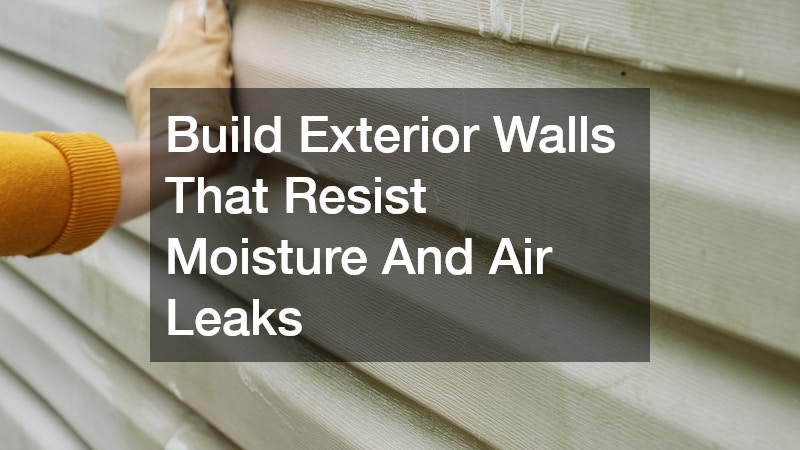
Walls do more than hold up the roof. They form the protective shell that separates conditioned interior space from unpredictable outdoor conditions.
Moisture intrusion often begins around openings — windows, doors, and utility penetrations. Flashing must be layered correctly to direct water outward, never inward. House wrap should be installed with careful taping and overlap to prevent air leaks.
Consider exterior materials not only for style but for durability. Brick and stone, when installed correctly, create resilient barriers against wind-driven rain. A skilled masonry contractor can ensure expansion joints, weep holes, and mortar work are properly executed to prevent cracking and moisture buildup behind the façade.
Continuous insulation systems add another layer of defense. Rather than insulating only between studs, continuous insulation reduces thermal bridging — those hidden pathways where heat escapes or enters.
Small details matter:
- Seal around hose bibs and vents.
- Install backer rods and high-quality sealant at joints.
- Inspect every penetration before siding goes up.
When walls are properly sealed and insulated, the home becomes more energy efficient, more comfortable, and far less vulnerable to long-term water damage.
Design A Heating And Cooling System That Handles Extreme Temperatures
Weather resistance isn’t only about keeping water out. It’s also about maintaining comfort when temperatures swing to extremes.
A common mistake in new construction is oversizing heating and cooling equipment. Bigger isn’t better. Oversized systems cycle on and off too quickly, leaving humidity uncontrolled and wearing out components prematurely.
Instead, start with a precise load calculation. A reputable HVAC contractor will assess insulation levels, window orientation, square footage, and climate data to size the system properly.
In certain areas of the home — such as finished basements, additions, or bonus rooms above garages — a mini split system can provide targeted comfort without overburdening the main HVAC unit. These systems allow for zoned temperature control and operate efficiently in both heating and cooling modes.
Protect outdoor components as well. In flood-prone regions, elevate condensers above projected water levels. In snowy climates, mount units high enough to avoid blockage.
Finally, seal ductwork carefully. Leaky ducts waste energy and introduce temperature imbalances. A weather-resistant home depends on mechanical systems that can operate steadily during both heat waves and cold snaps.
Reinforce Plumbing Systems Against Freezing And Flooding
Plumbing failures often go unnoticed until significant damage has already occurred. Burst pipes, sewer backups, and sump pump failures are common weak points during severe weather.
A licensed plumber should be involved early to design a system that anticipates risks.
In cold climates:
- Keep pipes out of exterior walls when possible.
- Insulate all exposed lines.
- Install frost-proof exterior spigots.
In wet climates:
- Include a sump pump with battery backup.
- Install backflow preventers on sewer lines.
- Ensure foundation drains are functioning before interior finishes begin.
Smart leak detection systems are becoming increasingly common. These devices monitor water flow and automatically shut off supply lines if abnormal activity is detected.
One overlooked factor is accessibility. Shutoff valves should be easy to reach. In an emergency, seconds matter.
A resilient plumbing system is quiet and invisible most days — and indispensable when weather conditions turn hostile.
Build A Garage That Withstands Wind And Structural Stress
Garages are frequently the most structurally vulnerable part of a home. A failed garage door during high winds can allow pressure to build inside the home, increasing the likelihood of roof damage.
Reinforced garage doors rated for high wind zones are a worthwhile investment. These systems use heavier tracks, stronger panels, and improved bracing.
Anchoring is equally important. A knowledgeable garage builder will ensure framing is properly secured to the slab and that wind bracing is incorporated into the structure.
Drainage inside the garage matters too. Sloping the slab slightly toward the exterior prevents standing water. If the garage sits below grade, consider trench drains to redirect runoff.
Storage design should not compromise structural integrity. Heavy shelving must be anchored properly, and ceiling-mounted storage should account for load limits.
When built thoughtfully, a garage can be as resilient as the rest of the home — not its weakest link.
Improve Energy Efficiency To Reduce Weather Strain
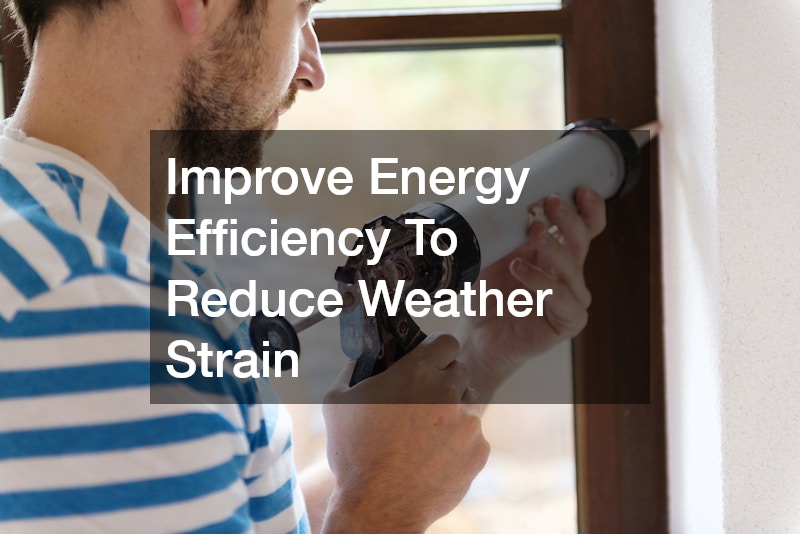
Energy efficiency isn’t only about lowering utility bills. It reduces stress on your home during extreme weather.
When insulation, sealing, and mechanical systems work together, indoor temperatures remain stable even when outdoor conditions fluctuate dramatically.
Start with the attic. Heat rises, and without proper insulation and sealing, it escapes quickly in winter and enters aggressively in summer. Seal every penetration before adding insulation.
Consulting an HVAC contractor for an energy audit can reveal hidden inefficiencies. Duct leakage, poor airflow balance, and outdated thermostats all contribute to strain during peak weather events.
In targeted areas, adding a mini split system can reduce load on central equipment and provide redundancy. If one system fails, the home still maintains partial climate control.
Humidity control is equally important. Excess moisture fosters mold growth and degrades materials. Proper ventilation and dehumidification prevent long-term damage.
An energy-efficient home isn’t fragile. It adapts.
Protect Your Home From Moisture-Loving Pests
Moisture problems often attract another threat: pests.
Termites, carpenter ants, rodents, and other intruders are drawn to damp environments. Preventing water intrusion is the first step, but additional precautions add a critical layer of defense.
During construction, seal all foundation cracks and ensure crawl spaces are ventilated correctly. Maintain a clear barrier between soil and wood framing.
Coordinating with a pest control professional during the building phase allows for preventative treatments before landscaping and finishes are installed. This proactive approach is far easier than treating an infestation later.
Keep mulch and soil from contacting the siding. Trim back vegetation that traps moisture against exterior walls. Inspect annually for signs of entry.
Weather resistance includes biological resilience. A dry home is far less attractive to unwanted guests.
Maintain Landscaping To Support Drainage And Foundation Health
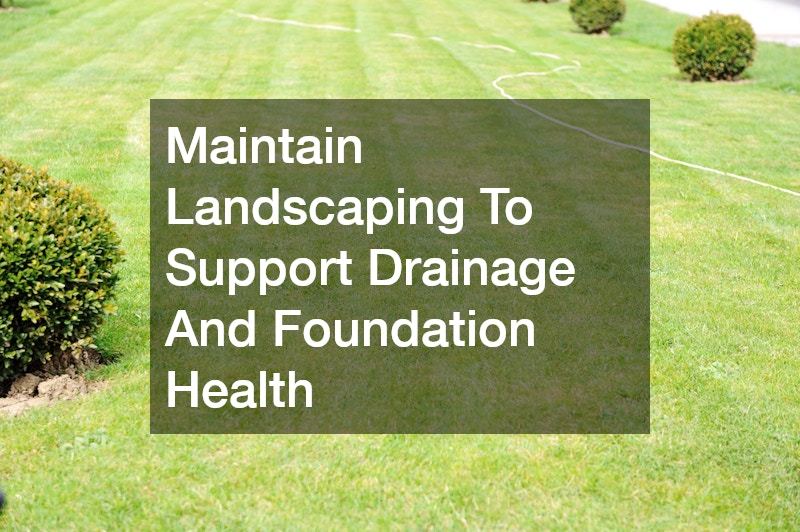
Landscaping plays a larger role in durability than many homeowners realize.
Improper irrigation, poor grading, and invasive roots can undermine even the best-built foundation.
Partnering with lawn care professionals ensures soil remains stable and properly graded. Deep-rooted plants can help control erosion, but trees should be positioned far enough from the structure to prevent root interference.
Avoid overwatering near the home’s perimeter. Saturated soil increases pressure against foundation walls.
Consider permeable pavers for walkways and patios. These allow water to drain naturally rather than pooling and running toward the structure.
Thoughtful landscaping acts as a buffer between your home and the elements.
Install Security Systems That Function During Power Outages
Storms often bring power outages, and that’s when home protection systems are needed most.
Modern home alarm systems can include battery backups and cellular monitoring to remain operational even when internet service fails. This ensures you continue receiving alerts during severe weather.
Install surge protection for sensitive components. Lightning strikes and power surges can disable systems at the worst possible moment.
Low-voltage wiring should be protected from moisture exposure during construction. Even small amounts of water intrusion can degrade performance over time.
When security systems are built into the overall resilience plan, they add another layer of confidence during unpredictable conditions.
Plan Exterior Drainage And Roof Runoff For Long-Term Protection
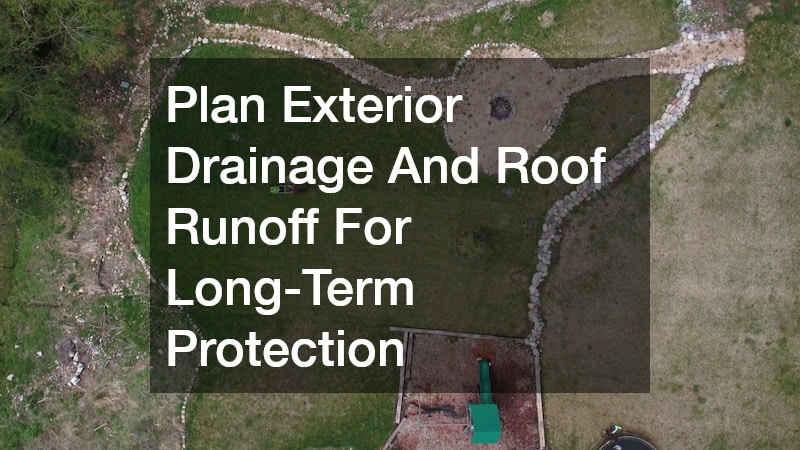
Even after initial grading and foundation work are complete, ongoing water management remains essential.
Oversized gutters and downspouts handle heavy rainfall more effectively than standard systems. Professional gutter installation ensures the correct pitch so water flows smoothly instead of pooling.
Gutter guards can reduce debris buildup, particularly in wooded areas. Seasonal inspections — especially after major storms — prevent clogs and sagging.
Direct runoff toward designated drainage zones, not driveways or neighboring properties. Underground piping can move water safely away without disrupting landscaping.
Exterior drainage systems require periodic attention, but when maintained properly, they quietly protect your investment year after year.
Create A Coordinated Construction Timeline To Avoid Weak Points
One of the most overlooked aspects of weather resistance is coordination.
A well-built home depends on trades working in harmony. For example, roof penetrations for plumbing vents must be sealed correctly. Collaboration between your plumber and metal roofer ensures flashing is integrated properly and remains watertight.
Schedule waterproofing before interior drywall installation. Inspect insulation and vapor barriers prior to closing walls. Conduct a final weatherproofing walkthrough before moving in.
Keep documentation for warranties and materials used. If issues arise later, detailed records simplify repairs.
Resilience is rarely the result of one heroic upgrade. It’s the outcome of steady, thoughtful decisions made throughout the construction process.
Building For The Long Term

A weather-resistant home doesn’t happen by accident. It’s designed deliberately, from soil grading to mechanical systems to exterior finishes.
When you approach construction with durability in mind, you reduce the likelihood of emergency repairs, protect your investment, and create a safer, more comfortable living environment.
The goal isn’t to eliminate risk entirely — that’s impossible. The goal is to anticipate stress points and reinforce them before nature tests your home.
Build with foresight, coordinate your team carefully, and treat every system as part of a larger whole. The result is a home that stands firm not just in fair weather, but in the moments that matter most.