






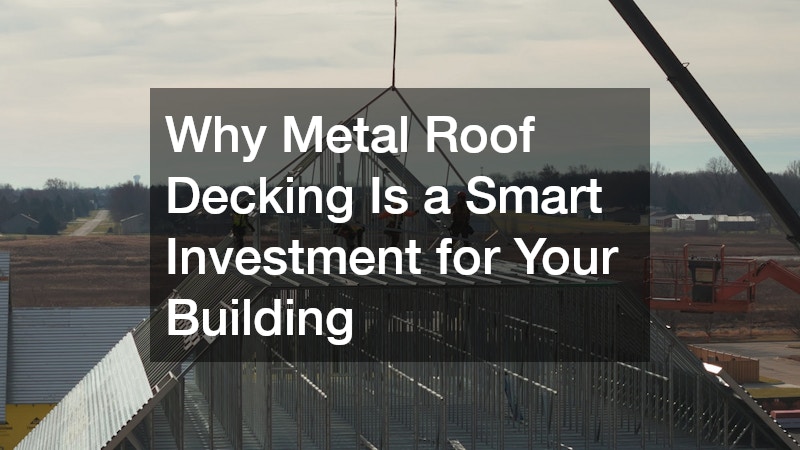
In modern construction, selecting the right roofing system is critical to the longevity, safety, and efficiency of a building. Metal roof decking has emerged as a preferred choice for commercial, industrial, and even residential structures due to its combination of durability, performance, and sustainability. For property owners and developers, understanding the advantages of metal roof decking can help guide informed decisions that maximize both value and safety. Securing a dependable roof metal decking supply partner is equally important to ensure consistent quality and timely project execution.
What Are the Benefits of Metal Roof Decking?
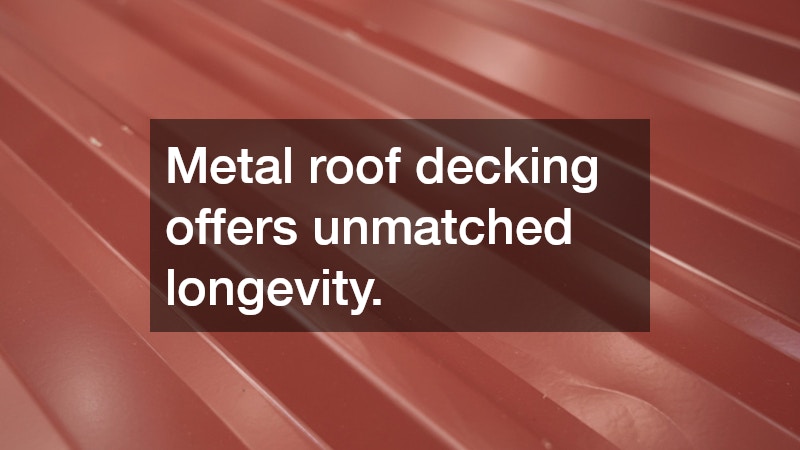
Metal roof decking offers unmatched longevity compared to traditional roofing materials. Its resistance to corrosion, warping, and deterioration ensures that buildings maintain structural integrity over decades.
Unlike asphalt or wooden roofing, metal decks can withstand extreme temperatures, heavy precipitation, and even hail, making them a reliable investment. Buildings outfitted with high-quality metal decking experience fewer repairs and replacements, translating into a consistent performance timeline that enhances asset value.
While the initial installation cost of metal roof decking can be higher than alternatives, the long-term savings are substantial. Low maintenance requirements, combined with resistance to common damage factors like rot or pest infestations, reduce ongoing upkeep expenses. Property owners can allocate resources to other critical building improvements rather than frequent roof repairs. In this sense, investing in metal roof decking supply upfront yields measurable cost efficiencies over the building’s lifespan.
Sustainability is increasingly central to construction planning, and metal roof decking aligns well with green building standards. Most metal decks are made from recycled materials and are themselves fully recyclable at the end of their lifecycle. Additionally, their durability reduces the frequency of material replacement, lowering overall environmental impact. For developers committed to LEED certification or other sustainability benchmarks, metal roof decking offers an environmentally responsible choice that also appeals to tenants and stakeholders.
How Does Metal Roof Decking Improve Building Safety?
Safety is a primary concern in any building project, and metal roof decking excels in fire resistance. Unlike wood or composite materials, metal does not ignite, helping to prevent the spread of fire in both residential and commercial structures. Many metal decking systems also meet rigorous fire safety codes, providing additional peace of mind for building owners, insurers, and occupants.
Metal decking contributes significant structural strength to a building. Its high load-bearing capacity makes it suitable for accommodating heavy equipment, snow accumulation, or other additional weight loads. This structural integrity ensures that the roof can endure demanding conditions without compromising the safety of the building or its occupants.
Extreme weather—such as high winds, heavy rain, and snow—can compromise conventional roofing materials. Metal roof decking is engineered to withstand these environmental hazards, providing superior protection against leaks, water damage, and structural strain. Its resilience enhances the overall reliability of the building envelope, reducing risks associated with natural elements.
In What Ways Does Metal Roof Decking Enhance Energy Efficiency?
Metal roof decking can significantly improve a building’s energy performance. When paired with modern insulation systems, metal decks minimize heat transfer, keeping interiors cooler in summer and warmer in winter. This thermal efficiency reduces reliance on HVAC systems, lowering energy costs while maintaining occupant comfort.
Metal roofs are particularly well-suited for the integration of solar panels and other renewable energy technologies. Their durability ensures that installations are secure, while their strength supports the weight of energy systems without requiring additional structural reinforcements. For building owners pursuing energy independence or sustainability incentives, metal roof decking provides a reliable foundation for green energy solutions.
Many metal decking products feature reflective coatings that deflect sunlight and reduce heat absorption. This cool roof effect not only enhances indoor comfort but also mitigates the urban heat island effect in densely developed areas. By combining high-quality systems with a strategic roof metal decking supply, developers can improve building performance while supporting broader environmental goals.
Investing in metal roof decking is a strategic decision that delivers tangible benefits across durability, safety, and energy efficiency. Its long-term performance, minimal maintenance requirements, and environmentally sustainable properties make it a cost-effective choice for forward-thinking builders and property owners. Moreover, the enhanced safety and energy-saving advantages ensure that buildings are better equipped to withstand the challenges of both time and climate. By prioritizing the right roof metal decking supply in construction planning, stakeholders secure a smart, reliable, and sustainable investment that enhances building value and performance for years to come.