










A home remodel is often fueled by excitement and big-picture ideas— fresh layouts, updated finishes, and the promise of improved comfort or style. Homeowners tend to focus on what they can see: new countertops, upgraded fixtures, or expanded living spaces. While these visible changes are important, they represent only a fraction of what determines whether a remodel is truly successful. Behind every smooth renovation is a series of small, technical, and often overlooked decisions that quietly shape the outcome.
Many remodeling problems don’t appear immediately. Instead, they develop slowly, emerging weeks or months after construction is complete. A minor oversight during planning can turn into recurring maintenance issues, energy inefficiencies, or even structural concerns over time. These problems are especially frustrating because they often could have been avoided with better foresight and coordination. Homeowners may find themselves questioning decisions long after the contractors have left.
Another challenge is that remodels involve multiple systems working together— structural components, mechanical systems, materials, and daily-use spaces. When even one element is not fully considered, it can disrupt the performance of the entire home. Assumptions such as “this will be fine” or “we’ll deal with that later” frequently lead to delays, budget overruns, and compromised results. The complexity of remodeling makes attention to detail not just helpful, but essential.
This article takes a closer look at the small things that often become big problems during a home remodel. By highlighting these commonly overlooked details and explaining why they matter, the goal is to help homeowners approach their projects with clarity and confidence. With thoughtful planning and a deeper understanding of how each decision affects the whole, it becomes far easier to avoid costly mistakes and achieve a remodel that delivers lasting value.
Overlooking Structural Readiness Before Major Upgrades
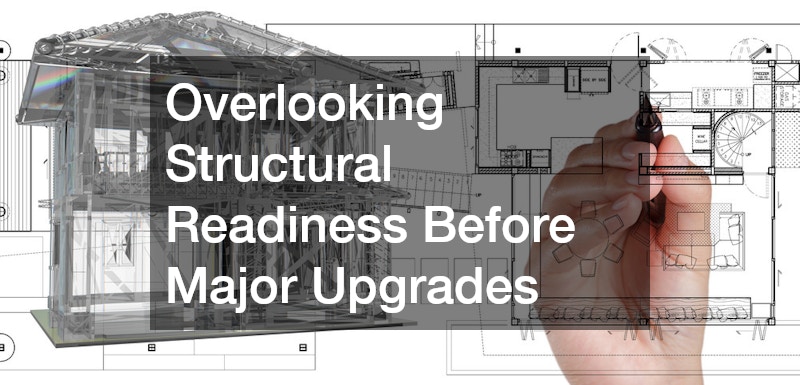
One of the most common mistakes homeowners make is assuming their existing structure can support new additions or features without verification. While walls and foundations may look solid, they may not be designed to handle increased loads or altered layouts. This oversight often becomes apparent only after construction begins, when cracks, settling, or code issues appear. At that point, fixes are far more expensive and disruptive than preventative evaluations.
Projects such as pool renovations are especially sensitive to structural readiness. Changes to pool size, depth, or surrounding hardscape can affect soil stability and drainage patterns. Without proper assessment, homeowners risk structural failure that compromises both safety and aesthetics. Early consultation with engineers or specialists ensures that upgrades are supported properly from the ground up.
Structural readiness also affects scheduling and budgeting. Discovering deficiencies mid-project can halt work entirely while solutions are engineered. Planning allows homeowners to align expectations with reality and avoid reactive decision-making. A structurally sound foundation is the unseen backbone of any successful remodel.
Treating Specialized Spaces Like Standard Rooms
Bathrooms are often treated like smaller versions of other rooms, but they require far more specialized planning. Moisture, ventilation, plumbing density, and electrical safety all play critical roles. When these factors are underestimated, small issues such as condensation or minor leaks can evolve into mold growth and structural damage. These problems are rarely cosmetic and often require invasive repairs.
Homeowners working with a bathroom remodeling service sometimes focus heavily on tile and fixtures while overlooking airflow and waterproofing details. Even beautifully designed bathrooms can fail if moisture isn’t managed correctly. Ventilation fans, waterproof membranes, and proper slope for drainage are essential elements that deserve equal attention. Neglecting these details can shorten the lifespan of the remodel dramatically.
Bathrooms also face stricter building codes than many other rooms. Failing inspections due to overlooked requirements can delay completion and increase costs. Treating bathrooms as technical spaces rather than decorative ones leads to better outcomes. Thoughtful planning ensures comfort, safety, and durability over time.
Ignoring the Condition of Existing Exterior Elements
Interior remodels often receive the bulk of attention, while exterior components are assumed to be “good enough.” This mindset can backfire when aging exterior elements undermine interior improvements. Water intrusion, insulation problems, and structural wear frequently originate outside the home. Addressing interior upgrades without evaluating exterior conditions is a risky approach.
An aging shingle roof is a prime example of a small oversight becoming a major issue. Even minor roof damage can lead to leaks that destroy drywall, flooring, and insulation. Homeowners may invest heavily in interior finishes only to face costly repairs caused by preventable exterior failures. Evaluating exterior elements before remodeling protects the entire investment.
Exterior maintenance also affects energy efficiency and comfort. Drafts, heat loss, and moisture intrusion all reduce the effectiveness of interior upgrades. A remodel should be viewed as a whole-house improvement, not a collection of isolated projects. Addressing exterior conditions early provides long-term protection and peace of mind.
Underestimating Water Management Around the Home
Water management is often treated as a minor detail, but it plays a critical role in protecting a home. Improper drainage can lead to foundation damage, basement leaks, and erosion around the structure. These problems may not appear immediately, but they steadily worsen over time. By the time symptoms are visible indoors, repairs can be extensive.
Neglected gutter services are a frequent contributor to water-related damage. Clogged or improperly pitched gutters allow water to pool near the foundation or seep into walls. During a remodel, changes to rooflines or landscaping can further complicate drainage patterns. Coordinating water management with renovation plans prevents future headaches.
Effective water management involves more than just gutters. Downspout placement, grading, and surface drainage all work together to move water away from the home. When these elements are aligned, the remodel remains protected long after completion. Overlooking water management is one of the most expensive mistakes homeowners can make.
Failing to Coordinate Outdoor Changes With Interior Plans
Outdoor spaces are often designed independently from interior remodels, leading to functional and visual disconnects. New doors, windows, or living spaces may not align with existing outdoor layouts. This lack of coordination can result in awkward transitions and usability issues. A remodel should consider how indoor and outdoor spaces interact.
Poorly planned landscape designs can interfere with drainage, access, and even structural integrity. Raised planters or hardscape may block drainage paths or place pressure on foundations. Without coordination, outdoor upgrades can inadvertently create new problems for the interior. Early planning ensures harmony between spaces.
Outdoor coordination also affects how spaces are used daily. Access points, sightlines, and flow should feel natural and intentional. When indoor and outdoor plans are aligned, the home feels cohesive and functional. This level of integration elevates the remodel from good to exceptional.
Treating Electrical Enhancements as Purely Decorative
Lighting is often one of the last decisions made during a remodel, viewed primarily as a design element. However, lighting is a functional system that affects safety, usability, and energy efficiency. When electrical planning is delayed, homeowners may face limited options or costly retrofits. Treating lighting as an afterthought is a common misstep.
Projects involving outdoor lighting require careful consideration of wiring, load capacity, and placement. Poorly planned lighting can create dark zones, glare, or safety hazards. Electrical systems must be designed to support current and future needs without overloading circuits. Early planning allows lighting to enhance both aesthetics and functionality.
Electrical enhancements also affect long-term maintenance. Fixtures should be accessible, durable, and appropriate for their environment. When lighting is planned strategically, it supports daily activities and enhances the overall experience of the home. Functional lighting design is an investment in comfort and safety.
Forgetting to Plan for Equipment Installation Requirements
Large features often capture attention during the design phase, but their installation requirements are sometimes overlooked. Homeowners may select features based on appearance without confirming feasibility. This can lead to delays, additional costs, or compromised performance. Installation planning should happen before final selections are made.
A common example is hot tub installation, which requires specific electrical capacity, structural support, and access. Without proper planning, homeowners may discover that their chosen location isn’t viable. Retrofitting support systems after construction is far more expensive than planning. Verifying requirements early avoids disappointment and frustration.
Installation planning also affects ongoing maintenance and usability. Equipment should be accessible for servicing and positioned for safe operation. When installation needs are addressed upfront, features integrate smoothly into the remodel. This proactive approach ensures long-term satisfaction.
Assuming Existing Systems Can Handle New Demands
Remodels often change how spaces are used, increasing demand on existing systems. Larger rooms, open layouts, or additional occupants can strain systems that were already aging. Homeowners frequently assume these systems will adapt automatically. Unfortunately, this assumption can lead to comfort and efficiency issues.
Ignoring heating repairs during a remodel is a common oversight. New layouts can disrupt airflow and temperature balance, creating hot and cold spots. Systems that were adequate before may struggle under new conditions. Addressing these issues during construction is far easier than retrofitting later.
System evaluations should align with the remodel’s goals. Comfort, efficiency, and reliability all depend on properly functioning systems. By addressing potential weaknesses early, homeowners avoid ongoing dissatisfaction. A remodel should enhance daily living, not introduce new frustrations.
Underestimating the Impact of Custom Work on Timelines
Custom features add personality and functionality to a remodel, but they also introduce complexity. Homeowners often underestimate the time required for design, fabrication, and installation. When timelines slip, multiple trades may be affected. This domino effect can delay the entire project.
Working with kitchen cabinet makers is a common source of scheduling challenges. Custom cabinetry often has long lead times, and installation must be precisely coordinated. Delays in cabinetry can halt countertop installation, plumbing, and electrical work. Early ordering and clear communication are essential.
To manage custom work effectively, homeowners should:
- Confirm lead times before finalizing designs
- Schedule installations realistically
- Build buffer time into the project timeline
These steps reduce stress and keep the remodel on track. Custom work is rewarding when planned thoughtfully. When rushed, it becomes a major bottleneck.
Making Material Choices Without Considering Compatibility
Material selection is often driven by appearance and price, but compatibility is equally important. Different materials expand, contract, and age at different rates. When incompatible materials are combined, problems such as cracking, warping, or premature wear can occur. These issues may take time to appear, but are costly to fix.
Using mismatched building materials can compromise both performance and aesthetics. For example, pairing rigid materials with flexible substrates can lead to movement-related damage. Environmental conditions such as humidity and temperature further influence material behavior. Considering compatibility ensures longevity and stability.
Material choices should be evaluated as part of a system, not in isolation. How materials interact determines how well the remodel holds up over time. Thoughtful selection protects the investment and reduces maintenance needs. Compatibility is a small detail with a big impact.
A home remodel is rarely undone by one dramatic failure. Instead, it is the accumulation of small oversights— details that seemed minor at the time but gradually grow into costly, frustrating problems. These issues often remain hidden until the remodel is complete, making them harder and more expensive to correct. What makes them especially challenging is that they usually stem from assumptions, rushed decisions, or a lack of coordination rather than poor intentions or effort.
Successful remodeling requires more than good taste and a solid budget. It demands a willingness to think beyond surface-level improvements and consider how every element of the home functions as part of a larger system. Structural readiness, system capacity, material compatibility, and long-term maintenance all play essential roles in determining whether a remodel enhances daily life or introduces new challenges. When these factors are addressed early, homeowners gain greater control over timelines, costs, and outcomes.
Another important takeaway is the value of proactive planning over reactive problem-solving. Addressing potential issues before construction begins is far less disruptive than fixing them after the fact. This approach reduces stress, minimizes unexpected delays, and allows homeowners to make decisions thoughtfully rather than under pressure. It also fosters better communication among designers, contractors, and homeowners, which is critical for a smooth remodeling experience.
Ultimately, the most rewarding remodels are those that balance vision with practicality. When small details are given the same level of attention as major design choices, the result is a home that not only looks beautiful but also performs reliably over time. By recognizing how easily minor issues can escalate, homeowners can approach remodeling with greater awareness and confidence— transforming what could have been a source of frustration into a lasting investment in comfort, function, and peace of mind.
A home remodel is often fueled by excitement and big-picture ideas— fresh layouts, updated finishes, and the promise of improved comfort or style. Homeowners tend to focus on what they can see: new countertops, upgraded fixtures, or expanded living spaces. While these visible changes are important, they represent only a fraction of what determines whether a remodel is truly successful. Behind every smooth renovation is a series of small, technical, and often overlooked decisions that quietly shape the outcome.
Many remodeling problems don’t appear immediately. Instead, they develop slowly, emerging weeks or months after construction is complete. A minor oversight during planning can turn into recurring maintenance issues, energy inefficiencies, or even structural concerns over time. These problems are especially frustrating because they often could have been avoided with better foresight and coordination. Homeowners may find themselves questioning decisions long after the contractors have left.
Another challenge is that remodels involve multiple systems working together— structural components, mechanical systems, materials, and daily-use spaces. When even one element is not fully considered, it can disrupt the performance of the entire home. Assumptions such as “this will be fine” or “we’ll deal with that later” frequently lead to delays, budget overruns, and compromised results. The complexity of remodeling makes attention to detail not just helpful, but essential.
This article takes a closer look at the small things that often become big problems during a home remodel. By highlighting these commonly overlooked details and explaining why they matter, the goal is to help homeowners approach their projects with clarity and confidence. With thoughtful planning and a deeper understanding of how each decision affects the whole, it becomes far easier to avoid costly mistakes and achieve a remodel that delivers lasting value.
Overlooking Structural Readiness Before Major Upgrades
One of the most common mistakes homeowners make is assuming their existing structure can support new additions or features without verification. While walls and foundations may look solid, they may not be designed to handle increased loads or altered layouts. This oversight often becomes apparent only after construction begins, when cracks, settling, or code issues appear. At that point, fixes are far more expensive and disruptive than preventative evaluations.
Projects such as pool renovations are especially sensitive to structural readiness. Changes to pool size, depth, or surrounding hardscape can affect soil stability and drainage patterns. Without proper assessment, homeowners risk structural failure that compromises both safety and aesthetics. Early consultation with engineers or specialists ensures that upgrades are supported properly from the ground up.
Structural readiness also affects scheduling and budgeting. Discovering deficiencies mid-project can halt work entirely while solutions are engineered. Planning allows homeowners to align expectations with reality and avoid reactive decision-making. A structurally sound foundation is the unseen backbone of any successful remodel.
Treating Specialized Spaces Like Standard Rooms
Bathrooms are often treated like smaller versions of other rooms, but they require far more specialized planning. Moisture, ventilation, plumbing density, and electrical safety all play critical roles. When these factors are underestimated, small issues such as condensation or minor leaks can evolve into mold growth and structural damage. These problems are rarely cosmetic and often require invasive repairs.
Homeowners working with a bathroom remodeling service sometimes focus heavily on tile and fixtures while overlooking airflow and waterproofing details. Even beautifully designed bathrooms can fail if moisture isn’t managed correctly. Ventilation fans, waterproof membranes, and proper slope for drainage are essential elements that deserve equal attention. Neglecting these details can shorten the lifespan of the remodel dramatically.
Bathrooms also face stricter building codes than many other rooms. Failing inspections due to overlooked requirements can delay completion and increase costs. Treating bathrooms as technical spaces rather than decorative ones leads to better outcomes. Thoughtful planning ensures comfort, safety, and durability over time.
Ignoring the Condition of Existing Exterior Elements
Interior remodels often receive the bulk of attention, while exterior components are assumed to be “good enough.” This mindset can backfire when aging exterior elements undermine interior improvements. Water intrusion, insulation problems, and structural wear frequently originate outside the home. Addressing interior upgrades without evaluating exterior conditions is a risky approach.
An aging shingle roof is a prime example of a small oversight becoming a major issue. Even minor roof damage can lead to leaks that destroy drywall, flooring, and insulation. Homeowners may invest heavily in interior finishes only to face costly repairs caused by preventable exterior failures. Evaluating exterior elements before remodeling protects the entire investment.
Exterior maintenance also affects energy efficiency and comfort. Drafts, heat loss, and moisture intrusion all reduce the effectiveness of interior upgrades. A remodel should be viewed as a whole-house improvement, not a collection of isolated projects. Addressing exterior conditions early provides long-term protection and peace of mind.
Underestimating Water Management Around the Home

Water management is often treated as a minor detail, but it plays a critical role in protecting a home. Improper drainage can lead to foundation damage, basement leaks, and erosion around the structure. These problems may not appear immediately, but they steadily worsen over time. By the time symptoms are visible indoors, repairs can be extensive.
Neglected gutter services are a frequent contributor to water-related damage. Clogged or improperly pitched gutters allow water to pool near the foundation or seep into walls. During a remodel, changes to rooflines or landscaping can further complicate drainage patterns. Coordinating water management with renovation plans prevents future headaches.
Effective water management involves more than just gutters. Downspout placement, grading, and surface drainage all work together to move water away from the home. When these elements are aligned, the remodel remains protected long after completion. Overlooking water management is one of the most expensive mistakes homeowners can make.
Failing to Coordinate Outdoor Changes With Interior Plans
Outdoor spaces are often designed independently from interior remodels, leading to functional and visual disconnects. New doors, windows, or living spaces may not align with existing outdoor layouts. This lack of coordination can result in awkward transitions and usability issues. A remodel should consider how indoor and outdoor spaces interact.
Poorly planned landscape designs can interfere with drainage, access, and even structural integrity. Raised planters or hardscape may block drainage paths or place pressure on foundations. Without coordination, outdoor upgrades can inadvertently create new problems for the interior. Early planning ensures harmony between spaces.
Outdoor coordination also affects how spaces are used daily. Access points, sightlines, and flow should feel natural and intentional. When indoor and outdoor plans are aligned, the home feels cohesive and functional. This level of integration elevates the remodel from good to exceptional.
Treating Electrical Enhancements as Purely Decorative
Lighting is often one of the last decisions made during a remodel, viewed primarily as a design element. However, lighting is a functional system that affects safety, usability, and energy efficiency. When electrical planning is delayed, homeowners may face limited options or costly retrofits. Treating lighting as an afterthought is a common misstep.
Projects involving outdoor lighting require careful consideration of wiring, load capacity, and placement. Poorly planned lighting can create dark zones, glare, or safety hazards. Electrical systems must be designed to support current and future needs without overloading circuits. Early planning allows lighting to enhance both aesthetics and functionality.
Electrical enhancements also affect long-term maintenance. Fixtures should be accessible, durable, and appropriate for their environment. When lighting is planned strategically, it supports daily activities and enhances the overall experience of the home. Functional lighting design is an investment in comfort and safety.
Forgetting to Plan for Equipment Installation Requirements

Large features often capture attention during the design phase, but their installation requirements are sometimes overlooked. Homeowners may select features based on appearance without confirming feasibility. This can lead to delays, additional costs, or compromised performance. Installation planning should happen before final selections are made.
A common example is hot tub installation, which requires specific electrical capacity, structural support, and access. Without proper planning, homeowners may discover that their chosen location isn’t viable. Retrofitting support systems after construction is far more expensive than planning ahead. Verifying requirements early avoids disappointment and frustration.
Installation planning also affects ongoing maintenance and usability. Equipment should be accessible for servicing and positioned for safe operation. When installation needs are addressed upfront, features integrate smoothly into the remodel. This proactive approach ensures long-term satisfaction.
Assuming Existing Systems Can Handle New Demands
Remodels often change how spaces are used, increasing demand on existing systems. Larger rooms, open layouts, or additional occupants can strain systems that were already aging. Homeowners frequently assume these systems will adapt automatically. Unfortunately, this assumption can lead to comfort and efficiency issues.
Ignoring heating repairs during a remodel is a common oversight. New layouts can disrupt airflow and temperature balance, creating hot and cold spots. Systems that were adequate before may struggle under new conditions. Addressing these issues during construction is far easier than retrofitting later.
System evaluations should align with the remodel’s goals. Comfort, efficiency, and reliability all depend on properly functioning systems. By addressing potential weaknesses early, homeowners avoid ongoing dissatisfaction. A remodel should enhance daily living, not introduce new frustrations.
Underestimating the Impact of Custom Work on Timelines
Custom features add personality and functionality to a remodel, but they also introduce complexity. Homeowners often underestimate the time required for design, fabrication, and installation. When timelines slip, multiple trades may be affected. This domino effect can delay the entire project.
Working with kitchen cabinet makers is a common source of scheduling challenges. Custom cabinetry often has long lead times, and installation must be precisely coordinated. Delays in cabinetry can halt countertop installation, plumbing, and electrical work. Early ordering and clear communication are essential.
To manage custom work effectively, homeowners should:
- Confirm lead times before finalizing designs
- Schedule installations realistically
- Build buffer time into the project timeline
These steps reduce stress and keep the remodel on track. Custom work is rewarding when planned thoughtfully. When rushed, it becomes a major bottleneck.
Making Material Choices Without Considering Compatibility

Material selection is often driven by appearance and price, but compatibility is equally important. Different materials expand, contract, and age at different rates. When incompatible materials are combined, problems such as cracking, warping, or premature wear can occur. These issues may take time to appear, but are costly to fix.
Using mismatched building materials can compromise both performance and aesthetics. For example, pairing rigid materials with flexible substrates can lead to movement-related damage. Environmental conditions such as humidity and temperature further influence material behavior. Considering compatibility ensures longevity and stability.
Material choices should be evaluated as part of a system, not in isolation. How materials interact determines how well the remodel holds up over time. Thoughtful selection protects the investment and reduces maintenance needs. Compatibility is a small detail with a big impact.
A home remodel is rarely undone by one dramatic failure. Instead, it is the accumulation of small oversights— details that seemed minor at the time but gradually grow into costly, frustrating problems. These issues often remain hidden until the remodel is complete, making them harder and more expensive to correct. What makes them especially challenging is that they usually stem from assumptions, rushed decisions, or a lack of coordination rather than poor intentions or effort.
Successful remodeling requires more than good taste and a solid budget. It demands a willingness to think beyond surface-level improvements and consider how every element of the home functions as part of a larger system. Structural readiness, system capacity, material compatibility, and long-term maintenance all play essential roles in determining whether a remodel enhances daily life or introduces new challenges. When these factors are addressed early, homeowners gain greater control over timelines, costs, and outcomes.
Another important takeaway is the value of proactive planning over reactive problem-solving. Addressing potential issues before construction begins is far less disruptive than fixing them after the fact. This approach reduces stress, minimizes unexpected delays, and allows homeowners to make decisions thoughtfully rather than under pressure. It also fosters better communication among designers, contractors, and homeowners, which is critical for a smooth remodeling experience.
Ultimately, the most rewarding remodels are those that balance vision with practicality. When small details are given the same level of attention as major design choices, the result is a home that not only looks beautiful but also performs reliably over time. By recognizing how easily minor issues can escalate, homeowners can approach remodeling with greater awareness and confidence— transforming what could have been a source of frustration into a lasting investment in comfort, function, and peace of mind.