








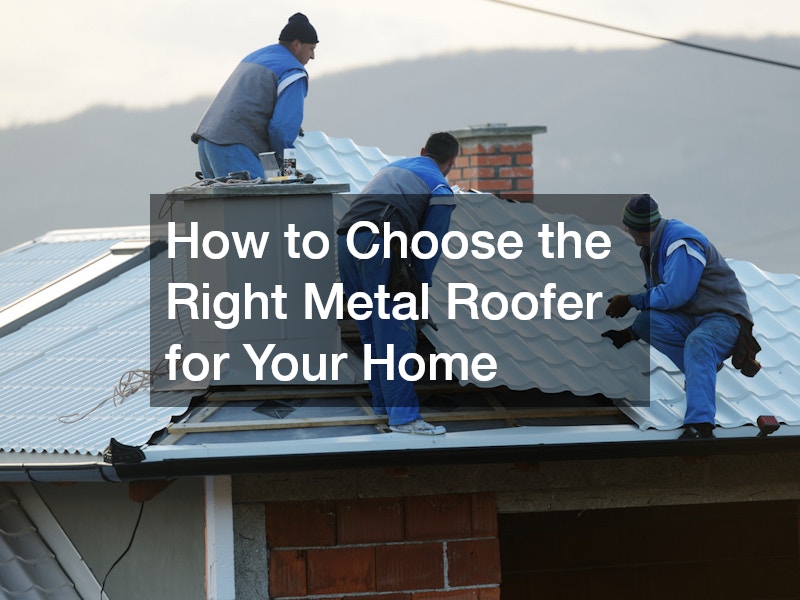
Understanding the importance of selecting a qualified metal roofer for your home is crucial for ensuring longevity and quality. This article will guide you through considerations and common questions about hiring the right professional for this task.
What qualifications should a metal roofer have?
Necessary Certifications and Licenses
When selecting a metal roofer, ensuring they hold the essential certifications and licenses is paramount. These qualifications validate that the roofer adheres to industry standards and has proven competency in their field.
Licenses also ensure that the roofer is legally recognized within your state. Certified professionals are more likely to adhere to safety protocols and use high-quality materials.
Additionally, having a licensed roofer can protect homeowners from potential legal issues down the line. It is always a good idea to verify these credentials before making any hiring decisions.
Experience and Expertise
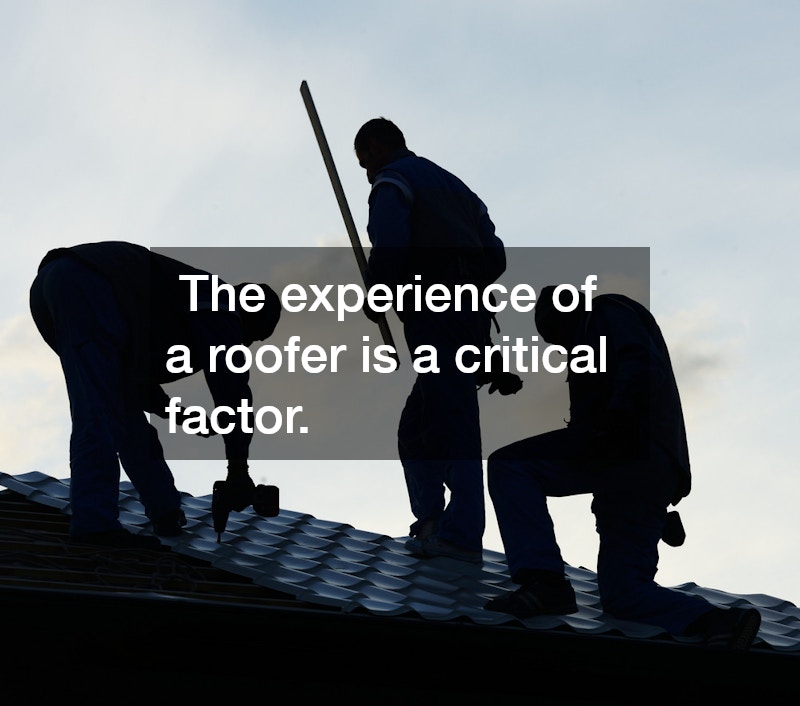
The experience of a roofer is a critical factor that can determine the success of your roofing project. Roofers with extensive experience are usually familiar with handling various challenges that may arise during installation.
Choosing a roofer who specializes in metal roofing, as opposed to general roofing, can provide better proficiency for the task. Expertise in this specific area often results in higher quality workmanship and increased durability.
It’s beneficial to discuss past projects to ensure they have a solid record with metal roofs specifically. This expertise becomes vital when unforeseen conditions require specific technical solutions.
How do I evaluate the quality of a roofer’s previous work?
Reviewing Past Projects
A critical step in evaluating a roofer’s competence is reviewing their portfolio to assess the style and quality of their previous work. Look for projects similar to yours to gauge their ability to meet your specific needs.
Pay close attention to the finish, appearance, and structural soundness of the projects. A rigorous review of these factors can reveal a lot about the roofer’s craftsmanship and attention to detail.
Moreover, ask your roofer for specific examples of metal roofing projects they’ve completed. This will help you identify their strengths and any potential areas of concern.
Customer Testimonials and Ratings
Customer testimonials are invaluable tools in assessing the reliability and quality of a roofing contractor’s services. Ratings on platforms like Yelp and Google can give you a sense of the roofer’s reputation and service standard.
Positive reviews often indicate consistent performance and satisfaction among previous clients. Evaluate any negative feedback to discern if there are recurring issues that may be a cause for concern.
Additionally, reach out to previous clients personally if possible, to gather firsthand experiences. Personal accounts can provide deeper insights into the roofer’s professionalism and customer service.
What should be included in a roofing contract?
Key Contractual Elements
A comprehensive roofing contract should protect both the homeowner and the contractor by clearly outlining all expectations. Read through the terms carefully to ensure all aspects of the project are accounted for.
This should include details about timelines, labor costs, materials to be used, and any other project specifics. Having these elements clearly defined can prevent potential disputes and ensure a smoother process.
Make sure that the contract clearly defines project completion dates as well as payment schedules. This clarity in the contract helps in mitigating risks associated with the project.
Understanding Warranty Details
When undertaking a roofing project, understanding the warranties provided by contractors is essential for long-term peace of mind. Warranties can vary significantly, covering different aspects and durations.
A warranty typically assures the homeowner of the contractor’s confidence in their workmanship and materials. Some warranties cover only the labor, while others may include material defects.
Ensure that the warranty details are clearly documented in the contract. This documentation can later serve as a crucial reference should any issues arise with the roof post-installation.
Choosing the right metal roofer for your home involves careful consideration of qualifications, evaluation of past work, and understanding contractual agreements. Taking these steps ensures informed choices, contributing to the longevity and quality of your roofing investment.
By thoroughly vetting your roofer’s credentials, inspecting previous work, and understanding warranties, you can make a more informed decision. Ultimately, this process protects your home and investment, ensuring you enjoy the benefits of a metal roof for years to come.