







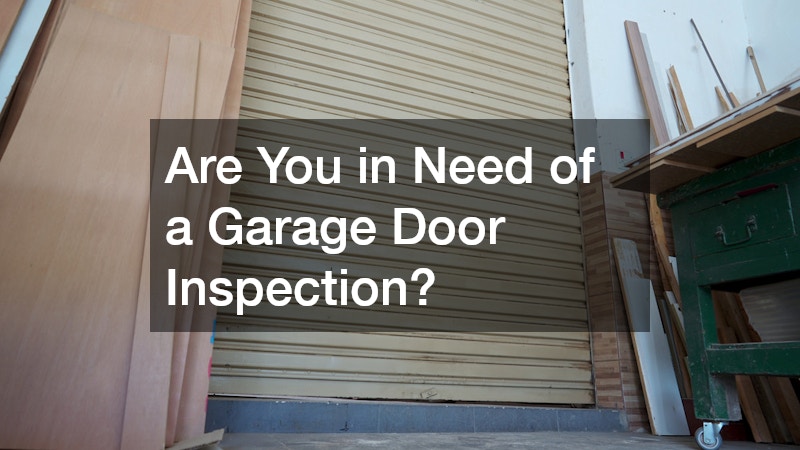
In the hustle and bustle of daily life, we often neglect the routine checks that keep our home infrastructure functional and safe. A significant component that often gets overlooked is the garage door. Ensuring that your garage door is in its optimal condition is not only about convenience but also about safety. In this article, we’ll delve into why a garage door inspection is crucial and what to expect during the process.
Understanding the Importance of Garage Door Inspections
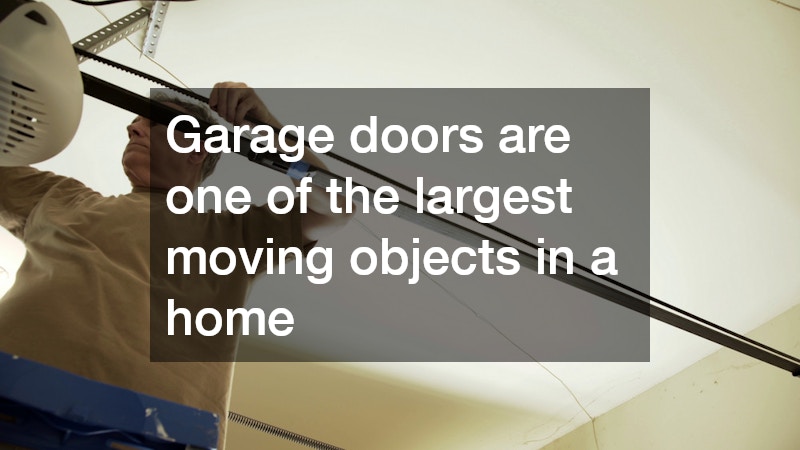
Garage doors are one of the largest moving objects in a home, which makes regular inspections vital for safety. A malfunctioning garage door can lead to inconveniences and pose a significant safety risk.
For example, a door that does not close properly can offer easy access to intruders. Furthermore, unexpected breakdowns can be costly, emphasizing the value of preventive maintenance. Routine garage door inspections often identify and resolve minor issues before they escalate into significant problems.
Aside from safety concerns, a well-maintained garage door enhances the curb appeal of your home. First impressions matter, and a garage door that operates smoothly and looks good can enhance your property’s value. Neighbors and potential buyers often notice these minor details that homeowners might overlook. Therefore, regular inspections and maintenance should be part of your home improvement plans. It is a small investment that yields significant returns when it comes to home aesthetics and functionality.
An inspection can also extend the lifespan of your garage door. With constant use comes wear and tear; without proper attention, small damages can quickly become irreparable. Inspections typically include checking the balance and alignment, ensuring all components are in working order. This proactive approach prevents the need for costly replacements in the future. Essentially, by maintaining regular checks, you’re not only safeguarding your door’s functionality but also securing peace of mind.
What Happens During a Garage Door Inspection?
During a garage door inspection, professionals examine all components of the door system. They start by inspecting the door tracks and rollers for any signs of wear and tear. These components are crucial for the smooth operation of the door, and any hindrance can cause the door to jam or fall off its tracks. Lubrication of these moving parts is often performed to ensure longevity and efficiency. Additionally, they examine the door’s tension and look for any imbalances that could affect the door’s functionality.
Another critical aspect of the inspection involves checking the springs and cables, which are pivotal in the opening and closing mechanism of the door. Over time, these components bear the brunt of the door’s weight and can become weak or break. Broken springs can lead to dangerous situations if not addressed timely. Inspectors will ensure that these parts are robust and functioning optimally, and replacement recommendations are made if necessary. Testing the door opener and its sensors is another integral part of the inspection. Modern doors come with electronic systems that might require recalibration or updates.
Inspections also focus on the garage door’s seals and overall weatherproofing. A poorly sealed door can let in air drafts and moisture, affecting the temperature inside the garage and potentially the energy efficiency of your home. Inspectors check for gaps and recommend sealing solutions that keep these unwanted elements out. They also observe the overall condition of the door panels and paint, noting any damage from weather exposure or accidents. Ensuring these aspects are perfect not only maintains the door’s appearance but also its comprehensive integrity.
Signs That Indicate the Need for an Inspection
There are several signs that suggest it might be time for an inspection of your garage door. One of the primary indications is abnormal noises emanating from the door during operation. Scraping, grinding, or loud buzzing sounds can signify an underlying issue that requires attention. In some cases, these might indicate misaligned components or metal parts rubbing against each other. Consequently, addressing these noises promptly can prevent the problem from worsening.
Another red flag is a garage door that struggles to open or close completely. This can be due to issues such as imbalance or obstruction in the tracks, which an inspection can diagnose effectively. Occasionally, the door might reverse its direction unexpectedly during operation. This behavior could point to malfunctioning sensors or an issue with the opener’s settings, both of which are crucial safety features. An inspector will check these elements to ascertain functionality and make the necessary adjustments.
Furthermore, visible signs of wear, such as peeling paint or dents on the door panels, can indicate a need for inspection. While these may seem only cosmetic, they can compromise the door’s overall integrity. Inspectors assess the extent of the damage and suggest repairs that can prevent further deterioration. Additionally, a recurring balance issue, where the door does not stay in the middle when manually operated, should not be ignored. An inspection can correct such problems, ensuring smooth and safe operation.