








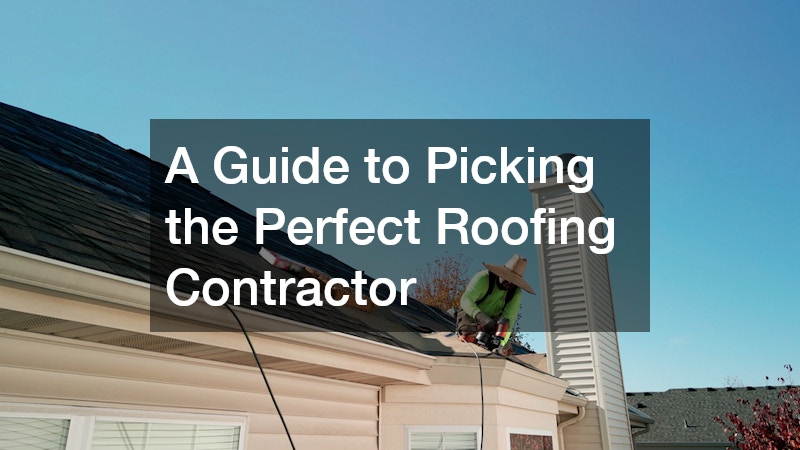
Choosing the right professional to work on your roof is one of the most important decisions you can make as a homeowner. Your roof protects your family, your belongings, and the structure of your home itself. A poor choice can lead to years of frustration, unexpected repairs, and unnecessary expenses, while the right choice can give you peace of mind for decades.
Many people only start researching their options when a leak appears or a storm causes visible damage. Unfortunately, rushing this decision often leads to regret. Taking the time to understand what separates excellent workmanship from mediocre results can save you stress and money in the long run.
This guide is designed to walk you through the full decision-making process. From understanding credentials to evaluating communication and warranties, you’ll learn what truly matters when hiring a roofing contractor and how to confidently move forward with your choice.
Understanding the Scope of Your Roofing Needs
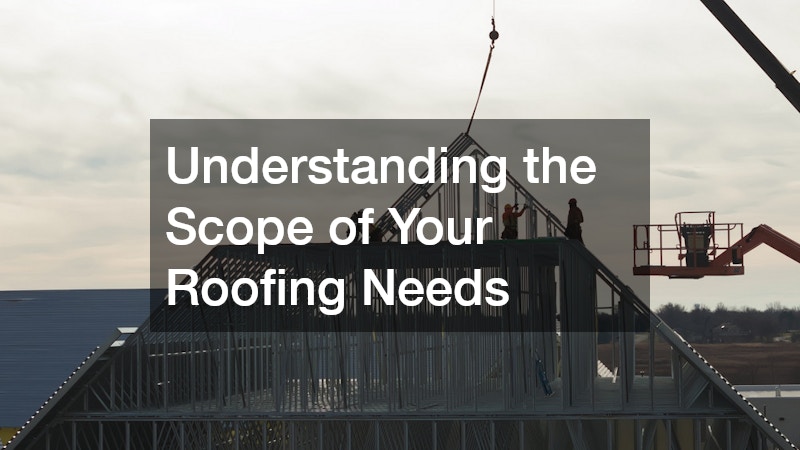
Before you can evaluate any professional, you need a clear picture of what your project actually involves. Roofing projects can vary widely in size, cost, and complexity depending on the age of your roof, the materials involved, and the climate in your area.
Some homeowners are simply dealing with minor wear and tear, while others are facing storm damage or long-term neglect. Understanding the full range of roofing services available helps you avoid hiring someone who may not be equipped for your specific situation.
It’s also important to think beyond immediate repairs. A short-term fix may seem appealing, but if your roof is nearing the end of its lifespan, a more comprehensive solution could be more cost-effective over time.
An initial inspection performed by a qualified professional can clarify whether your roof needs targeted repairs or a broader plan. These assessments often uncover hidden issues such as moisture intrusion or ventilation problems that aren’t visible from the ground but significantly impact long-term performance.
Researching Companies and Their Backgrounds
Once you understand your needs, the next step is researching who might be able to meet them. Not all businesses operate at the same level of professionalism, and surface-level advertising doesn’t always reflect real-world results.
Look into the history of each roofing company you consider. How long have they been operating? Do they specialize in residential or commercial work? Longevity and specialization often signal experience and stability.
Pay attention to how a company presents itself online and in person. Clear contact information, transparent service descriptions, and detailed project photos often indicate an organization that takes pride in its work.
Beyond online research, it can be helpful to verify business registrations and check for unresolved complaints through consumer protection agencies. This extra step adds another layer of confidence that you’re dealing with an established and accountable provider.
Evaluating Experience and Skill on the Job
Experience matters in roofing more than many people realize. Different homes, materials, and climates present unique challenges that only seasoned professionals know how to address properly.
Ask about the background of the roofers who will be working on your home. Are they employees or subcontractors? Do they receive ongoing training? Skilled workers who understand safety protocols and installation standards are far less likely to make costly mistakes.
You should also ask about similar projects they’ve completed in the past. A contractor who has handled homes like yours will be better prepared to anticipate challenges and provide accurate recommendations.
Hands-on experience also affects how efficiently a project is completed. Crews with strong technical skills are better at identifying potential setbacks early, helping avoid delays and unexpected costs during construction.
Matching Services to Your Home Type
Every home has unique characteristics that affect how roofing work should be approached. Factors like slope, ventilation, insulation, and architectural style all play a role in determining the right solution.
Professionals who focus on residential roofing services are typically better equipped to understand these nuances. They are familiar with local building codes, neighborhood standards, and homeowner expectations, which helps ensure a smoother project from start to finish.
Choosing someone who regularly works on homes similar to yours increases the likelihood of a result that is both functional and visually appealing.
In addition, matching services to your home ensures that design elements such as flashing, drainage, and attic airflow are properly addressed. These details contribute significantly to the roof’s longevity and overall performance.
Understanding Material Options and Durability
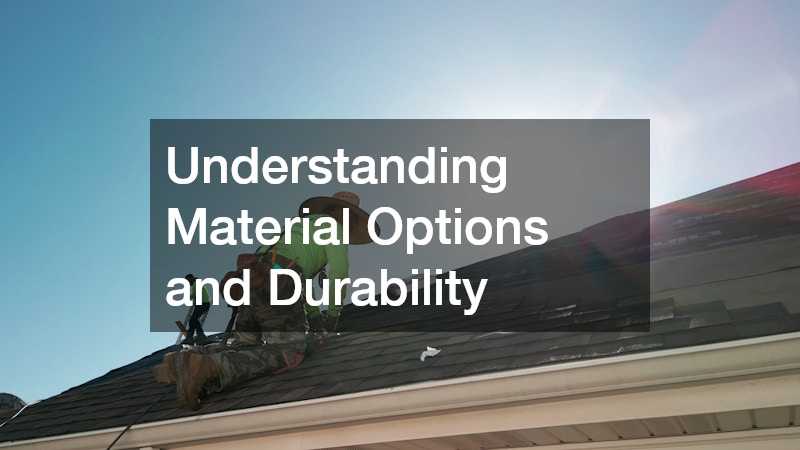
The materials you choose will affect not only the appearance of your roof but also its lifespan and maintenance needs. Different options perform better in certain climates and under specific conditions.
Shingle roofing remains one of the most popular choices for homeowners due to its balance of affordability, durability, and aesthetic flexibility. However, even within this category, quality can vary widely depending on manufacturer and installation practices.
A knowledgeable professional should be able to explain the pros and cons of each material in simple terms, helping you make a decision that aligns with your budget and long-term goals.
Material selection should also account for energy efficiency and weather resistance. The right choice can help regulate indoor temperatures and reduce wear caused by wind, rain, or prolonged sun exposure.
Checking Credentials and Certifications
Credentials are more than just paperwork; they are a reflection of a professional’s commitment to quality and accountability. Licenses, certifications, and insurance coverage protect both you and the people working on your home.
Professional roofing contractors typically invest in ongoing education and manufacturer certifications. These credentials demonstrate that they stay current with industry standards and best practices.
Always verify that documentation is valid and up to date. Reputable professionals will gladly provide proof without hesitation.
Proper credentials also ensure that work complies with local regulations, reducing the risk of fines or issues during future home sales. Compliance protects your investment long after the project is complete.
Reading Reviews and Gathering References
Customer feedback offers valuable insight into what you can expect during your own project. While no company is perfect, consistent patterns in reviews can reveal strengths and weaknesses.
Look for comments about communication, cleanliness, and follow-through. Reliable roofers are often praised for showing up on time, explaining the process clearly, and standing behind their work.
In addition to online reviews, ask for references you can contact directly. Speaking with past clients gives you a clearer picture of how the contractor operates once the contract is signed.
When reviewing feedback, pay attention to how companies respond to criticism. Professional responses often signal accountability and a genuine commitment to customer satisfaction.
Understanding Installation Processes
Knowing what the job will involve helps set realistic expectations and reduces anxiety during the project. A thorough explanation of timelines, materials, and daily procedures shows professionalism.
Roof installation services should include proper preparation, safety measures, and cleanup plans. Ask how the crew will protect landscaping, manage debris, and minimize disruption to your household.
Clear communication about each phase of the process ensures that there are no surprises once work begins.
Understanding the installation sequence also helps homeowners plan around noise, access restrictions, and temporary disruptions, making the overall experience more manageable.
Planning for Repairs Versus Full Replacement
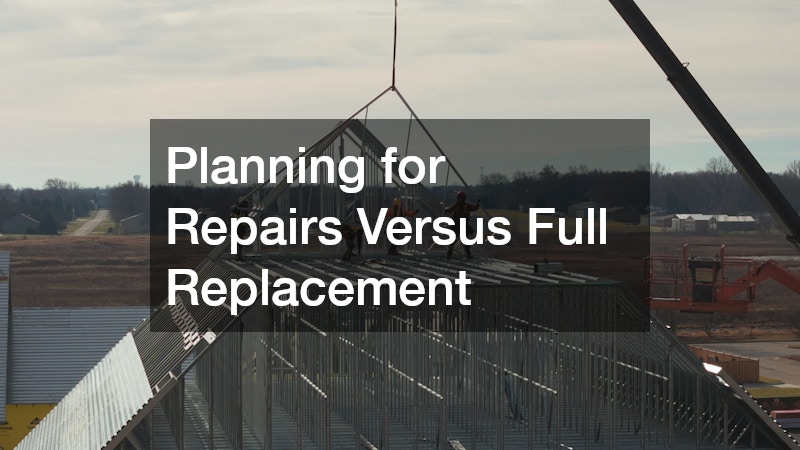
Not every roofing issue requires a complete overhaul, but sometimes patchwork solutions can cause more harm than good. Understanding the difference is key to making a smart investment.
Roof replacements are often recommended when a roof reaches a certain age or shows widespread damage. While the upfront cost is higher, the long-term benefits can outweigh repeated repair expenses.
A trustworthy professional will explain why a specific approach is recommended and provide evidence to support their assessment.
Evaluating repair versus replacement also involves considering future resale value. A newer roof can significantly improve buyer confidence and market appeal.
Comparing Estimates and Avoiding Red Flags
Price is an important factor, but it should never be the only one. Extremely low bids can indicate shortcuts, inferior materials, or lack of proper insurance.
When reviewing estimates from a roofing contractor, look for detailed breakdowns rather than vague totals. Transparency shows respect for your budget and your trust.
Be cautious of high-pressure sales tactics or demands for large upfront payments. These behaviors often signal potential problems down the line.
Comparing estimates side by side helps you identify inconsistencies and ask informed follow-up questions, ensuring you understand exactly what you’re paying for.
Communication and Project Management
Strong communication is one of the most overlooked aspects of a successful roofing project. You should feel informed and comfortable asking questions at every stage.
Pay attention to how promptly calls and emails are returned. A responsive professional is more likely to address concerns quickly if issues arise during the job.
Clear project management ensures that deadlines are met, materials arrive on time, and everyone involved understands their role.
Good project management also minimizes miscommunication between crews and homeowners, helping the project stay on track and within scope.
Warranties and Long-Term Protection
A roof is a long-term investment, and warranties play a crucial role in protecting that investment. There are typically two types to consider: material warranties and workmanship guarantees.
Roofing services provided by reputable professionals often include clear warranty terms that outline what is covered and for how long. Make sure you understand these details before signing any agreement.
Written warranties provide peace of mind and demonstrate confidence in the quality of the work performed.
Understanding warranty requirements, such as routine inspections or maintenance, ensures coverage remains valid throughout its duration.
Local Knowledge and Community Reputation
Professionals who work within your community often have a better understanding of local weather patterns, building codes, and permit requirements. This local knowledge can make a significant difference in project success.
A well-established roofing company with a strong community reputation is more likely to stand behind its work. They rely on word-of-mouth referrals and repeat business to thrive.
Supporting local businesses can also mean faster response times and more personalized service.
Community involvement and local references further reinforce trust, making it easier to verify reliability and workmanship quality.
Revisiting Your Contractor Choice
As you narrow down your options, take a step back and review everything you’ve learned. Consider experience, communication, credentials, and overall professionalism.
A second meeting or follow-up call with a roofing contractor can help clarify any lingering questions. This extra step often reveals how willing they are to invest time in your satisfaction.
Trust your instincts as well as the facts. Comfort and confidence are important when allowing someone to work on your home.
Revisiting your choice ensures you haven’t overlooked small concerns that could become larger issues once work begins.
The Importance of Ongoing Maintenance
Even the best roof requires regular care to perform at its best. Maintenance plans can extend lifespan and prevent small issues from becoming major problems.
Many providers offer ongoing roofing services that include inspections and minor adjustments. These programs are especially valuable in areas with extreme weather conditions.
Establishing a long-term relationship with a trusted professional simplifies future maintenance and repairs.
Routine maintenance also helps document roof condition over time, which can be valuable for insurance claims or resale purposes.
When to Reassess Materials and Design
Over time, your needs and preferences may change. Advances in materials and design can offer improved performance and energy efficiency.
Revisiting options like Shingle roofing at different stages of homeownership can help you decide whether an upgrade makes sense. Newer products often offer better durability and visual appeal.
Consulting with an expert ensures that any changes align with your home’s structure and local regulations.
Reassessing materials also allows homeowners to take advantage of updated building technologies that may reduce long-term costs.
Evaluating Workforce Quality
The individuals doing the actual labor play a major role in the outcome of your project. Skilled roofers follow precise installation techniques and safety standards.
Ask how crews are supervised and trained. Companies that invest in their workforce tend to deliver more consistent results.
A respectful, organized crew also makes the entire experience more pleasant for homeowners.
Workforce professionalism often reflects company culture, influencing everything from cleanliness to attention to detail.
Ensuring Dependability Over Time
Dependability goes beyond completing a project on schedule. It includes honoring warranties, responding to follow-up questions, and maintaining professionalism long after the job is done.
Reliable roofers build trust by standing behind their promises. This reliability becomes especially important if issues arise months or years later.
Choosing someone dependable ensures that you’re not left searching for help when you need it most.
Long-term dependability also provides peace of mind, knowing support is available whenever concerns arise.
Final Thoughts on Making the Right Choice
Selecting the right partner for your roofing project requires time, research, and careful consideration. From evaluating roof installation services to understanding when roof replacements are necessary, each decision plays a role in the final outcome.
Professional roofing contractors bring expertise, accountability, and peace of mind to one of the most critical aspects of your home. By focusing on experience, communication, and long-term value, you position yourself for a successful project.
In the end, the perfect choice is one that aligns with your needs, respects your investment, and protects your home for years to come.