










There is a particular kind of stress that comes with owning a home where the repair list seems to grow faster than you can address it. You fix one thing and notice two more. You get a quote for one project and realize the budget is already stretched before you have even looked at the other five items on the list. For many homeowners, the response to this overwhelm is either to tackle repairs randomly, fixing whatever is most visible or most annoying at the time, or to freeze entirely and defer everything until the situation becomes a crisis.
Start With a Full Walkthrough Before Touching Anything

Before a single contractor is called or a single repair is scheduled, you need a complete picture of what you are actually dealing with. This means walking through the entire property, inside and out, with a notepad, a phone camera, and fresh eyes. The goal is not to fix anything yet. The goal is to document everything so that your repair decisions are based on a full accounting of the home’s condition rather than just the problems that are most visible.
Work through the home systematically and take notes organized by area:
- Exterior: Roof, gutters, siding, driveway, walkways, fencing, windows, and doors
- Structural: Foundation, crawl space, basement walls, load-bearing walls, and floor systems
- Mechanical systems: HVAC, plumbing, electrical, water heater, and sewer line
- Interior: Walls, ceilings, flooring, insulation, and any signs of moisture or pest activity
- Appliances: Age, condition, and performance of all major appliances
Once you have a full master list, consider having a licensed home inspector walk through the property as well. A professional inspector brings objectivity and technical knowledge that most homeowners simply do not have, and a written inspection report gives you a document you can use to prioritize repairs, get contractor quotes, and track progress over time. This upfront investment in assessment almost always saves money in the long run by preventing you from fixing the wrong things first.
Put Structural Stability at the Top of Your Repair List
With your full repair list in hand, the first question to ask about every item is whether it affects the structural integrity of the home. Structural issues sit at the absolute top of any repair hierarchy, and for good reason. A home with compromised structural stability is not just a financial liability. It is a safety hazard, and no amount of cosmetic improvement changes that reality.
Foundation repair is the clearest example of a structural priority that cannot be deferred without serious consequences. A compromised foundation does not just affect the basement or crawl space. It affects every system in the home above it. Walls crack. Floors become uneven. Doors and windows stick or no longer close properly. Pipes shift. Over time, the damage radiates outward and upward, turning what might have been a manageable repair into a catastrophic and extraordinarily expensive problem. Warning signs to watch for include:
- Diagonal cracks running from the corners of door and window frames
- Horizontal cracks in basement or crawl space walls
- Floors that slope noticeably toward one side of the room
- Gaps forming between walls and ceilings or between walls and floors
- Doors and windows that have recently begun sticking without an obvious cause
Address Roof Damage Before It Becomes a Bigger Problem
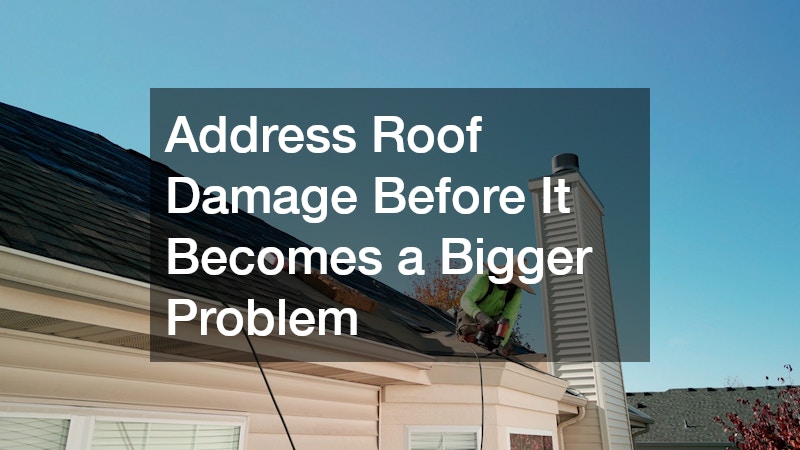
Once the structural foundation of the home is addressed, move your attention to the roof. The roof is the home’s primary defense against the elements, and an actively leaking or deteriorating roof creates a chain reaction of damage that affects nearly every other system below it. Insulation becomes saturated and loses its effectiveness. Ceiling drywall absorbs moisture and eventually fails. Wall framing rots. Flooring buckles. Mold begins to grow in areas you cannot see.
The financial logic for prioritizing roof repairs early is straightforward: every month you delay, the scope of the damage below the leak point grows. What starts as a damaged section of sheathing and a few wet insulation batts can become a full ceiling replacement, a mold remediation project, and damaged flooring if left unaddressed across a rainy season.
Deal With Underground and Drainage Issues Early
Plumbing failures are among the most insidious problems a homeowner can face because they are largely invisible until the damage they cause becomes undeniable. By the time a sewer or drain problem announces itself through slow drains throughout the house, sewage odors, or an actual backup, the underlying issue has often been developing for months or years.
Sewer line repair belongs near the top of the priority list for several reasons that go beyond inconvenience. A cracked, collapsed, or root-infiltrated sewer line does not just affect your drains. It can allow sewage to leak into the soil surrounding the foundation, which creates both a health hazard and a moisture source that accelerates foundation and structural damage. It can also cause sewage to back up into the lowest drains in the home, which leads to contamination that requires professional remediation.
Test for Mold Before Opening Up Walls or Ceilings
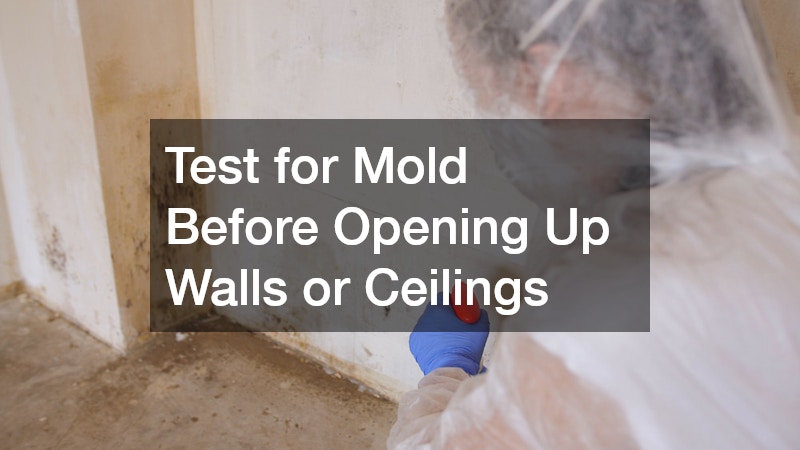
One of the most common mistakes homeowners make during a repair project is tearing into walls or ceilings without first understanding what is behind them. In a home with any history of moisture intrusion, leaks, or flooding, the answer to what is behind those surfaces is sometimes mold, and disturbing mold without proper precautions can spread spores throughout the entire home and turn a localized problem into a whole-house remediation project.
Professional mold testing before any demolition or renovation work begins gives you critical information. It tells you where mold is present, what species you are dealing with, how concentrated the spore counts are, and how extensively the material behind your walls has been affected. This information directly shapes the scope and cost of the remediation work and tells you whether the project can be handled by a general contractor or requires a certified mold remediation specialist. Common areas where mold hides in homes with deferred repairs include:
- Inside wall cavities adjacent to leaking pipes or windows
- In attic spaces beneath a damaged or improperly ventilated roof
- Underflooring that has experienced water intrusion from below
- In crawl spaces with inadequate vapor barriers or poor drainage
- Behind bathroom tile that has been compromised by failing grout or caulk
Do not rely solely on visible mold as a guide to the full extent of the problem. Surface mold is frequently just the visible edge of a much larger colony growing inside the building materials themselves.
Restore Water-Damaged Areas Before Mold Takes Hold
Closely related to the mold question is the urgency of addressing active or recent water damage. Moisture in building materials is a ticking clock. Within 24 to 48 hours of water intrusion, mold can begin to develop in saturated drywall, insulation, and wood framing. Within days, structural materials begin to soften and lose integrity. Within weeks, what began as a plumbing leak or a roof drip can require the replacement of entire wall assemblies, floor systems, or ceiling sections.
Water damage restoration is time-sensitive in a way that most other repairs simply are not. Once the source of the water intrusion has been identified and stopped, the restoration process needs to begin immediately. Professional restoration involves more than removing wet materials. It includes industrial drying equipment that pulls moisture out of building assemblies, moisture mapping to identify the full extent of the affected area, and controlled demolition of materials that cannot be dried in place. A moisture meter is an invaluable tool during this process, both for identifying the boundaries of the damage and for confirming that affected areas have been fully dried before new materials are installed.
Rent a Dumpster to Manage Debris as You Work Through Repairs

By the time you have addressed the structural, roofing, plumbing, and water damage priorities on your repair list, you will have accumulated a substantial amount of debris. Torn-out drywall, saturated insulation, damaged roofing materials, rotted framing lumber, old flooring, and broken fixtures all need somewhere to go, and managing that debris without a plan creates serious logistical and safety problems on a busy repair site.
Arranging dumpster rentals before the heaviest demolition and repair work begins is a simple step that pays dividends in efficiency and safety throughout the project. When contractors have a designated place to deposit debris immediately, they work faster and more safely. The job site stays clear of trip hazards and obstructions. Materials do not pile up in driveways or yards where they can create secondary damage or HOA violations. When sizing a dumpster, err on the side of too large rather than too small.
Prioritize Driveway and Pavement Repairs for Safety and Access
With the interior and structural priorities underway, turn your attention to the exterior surfaces that affect daily safety and contractor access. Driveways and walkways that are heavily cracked, heaved, or pitted with potholes are not just eyesores. They are genuine safety hazards for anyone walking or driving on the property, and they can impede the access that contractors need to move equipment, materials, and debris efficiently.
Scheduling an asphalt service to repair or resurface damaged paved surfaces improves the safety and functionality of the property while the larger repair work is still ongoing. It also addresses a common underlying issue that homeowners overlook: drainage. Many driveway and walkway failures are caused or accelerated by poor drainage that allows water to infiltrate the base material and freeze, thaw, and heave repeatedly over time.
Fix Appliances That Affect Daily Habitability First
Not all appliance failures are created equal. A broken dishwasher is an inconvenience. A failed furnace in January is an emergency. When working through a long repair list, appliance issues should be triaged based on how directly they affect the safety and habitability of the home rather than simply how noticeable or annoying the failure is.
Appliance repair for systems that control heating, cooling, hot water, and food preservation should be treated with the same urgency as structural and mechanical repairs. An HVAC system that cannot heat or cool the home adequately affects the health and comfort of everyone living there. A failed water heater affects hygiene and daily function. A broken refrigerator creates food safety issues. Before writing off any appliance as a lost cause, get a professional diagnosis.
Tackle Perimeter and Boundary Repairs to Secure the Property
As the structural, mechanical, and interior repairs near completion, shift focus to the perimeter of the property. Boundary structures serve practical purposes that go beyond appearance. They define legal boundaries, provide security, contain pets and children, and in some cases affect homeowner’s insurance coverage and liability exposure.
Repairing fences and gates after the higher-priority interior and structural work is complete makes logical sense from both a sequencing and a budget perspective. Doing perimeter work while heavy contractor traffic is moving through the property risks immediate damage to new fencing from equipment and material deliveries. Waiting until the interior work is finished also gives you a cleaner picture of the full budget remaining for exterior finishing work.
Save Cosmetic Fixes for the Final Stage
Every repair plan has a finishing layer, and that layer consists of the cosmetic fixes that make a home look cared for, polished, and complete. These are the repairs that are immediately visible to anyone walking through the home but have no bearing on its structural integrity, mechanical function, or safety. They belong at the end of the list, and doing them any earlier is one of the most common and costly mistakes homeowners make during a major repair push.
Screen repairs, touch-up painting, caulking around trim, replacing worn hardware, patching minor wall scuffs, and refreshing weatherstripping are all examples of finishing-layer repairs. If any of these are done before the structural and mechanical work is complete, there is a strong chance they will be damaged or made irrelevant by the larger work that follows. Use the cosmetic repair phase as a final walkthrough opportunity to confirm that every higher-priority item on your master list has been resolved to a satisfactory standard before you close out the project.
A long repair list is not a sign that a home is beyond saving. It is a sign that the home needs a plan. When repairs are tackled in the right order, starting with structural stability, moving through mechanical and water-related systems, managing logistics along the way, and finishing with cosmetic details, the project becomes manageable regardless of how overwhelming it looks at the start.